 +13692363966
 NEWSLETTER

The cost of electricity continues to influence how homeowners think about energy. As utility bills rise and interest in renewable energy grows, more homeowners are searching for affordable solar panels for homes that can help them generate their own electricity without compromising quality or reliability.
However, affordable solar doesn’t necessarily mean choosing the cheapest solar panels available.
The best value comes from finding the right balance between equipment quality, system size, installation, financing, warranties, energy production, and long-term performance.
For homeowners in Texas and California, solar can be particularly attractive because both states receive substantial sunlight. But every property is different, meaning the right solar system depends on your home’s energy consumption, roof, utility arrangement, and long-term goals.
Ever Volt provides customized residential solar solutions designed to help homeowners understand their options and select systems that fit their energy needs.
This guide explains how to find affordable solar panels, what affects the cost of a home solar system, and how to avoid common mistakes when shopping for solar.
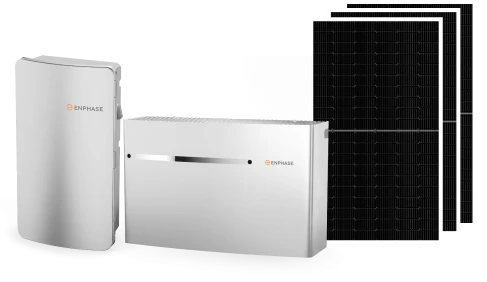
Table of Contents
- What Are Affordable Solar Panels?
- Does Affordable Mean Cheap?
- How Much Do Solar Panels for Homes Cost?
- What Determines Solar Panel Cost?
- How to Reduce Solar Installation Costs
- Choosing Affordable Solar Panels
- Solar Panel Efficiency
- Solar System Size
- Financing Affordable Solar
- Solar Panels for Texas Homes
- Solar Panels for California Homes
- Why Ever Volt?
- Frequently Asked Questions
- Conclusion
What Are Affordable Solar Panels?
Affordable solar panels are solar panels and complete solar systems that provide good value relative to their purchase and installation costs.
Affordability should be evaluated based on the entire system rather than the price of individual panels.
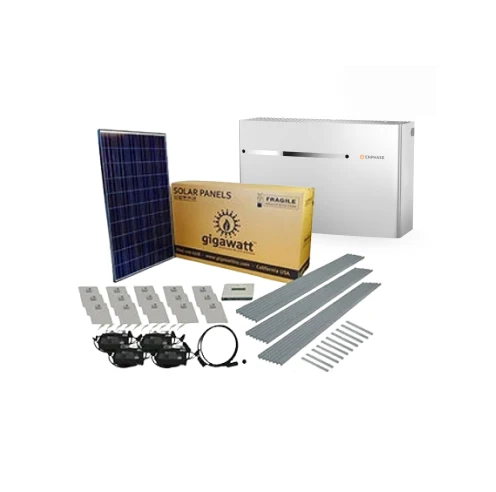
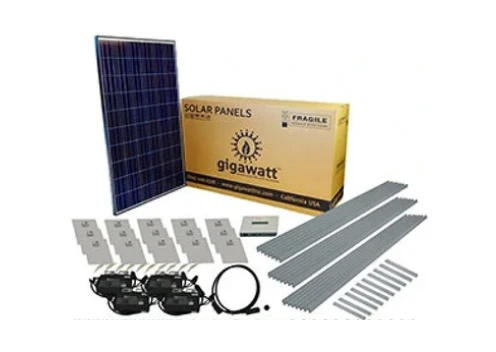
A residential solar system may include:
- Solar panels
- Inverter
- Mounting equipment
- Electrical equipment
- Monitoring system
- Installation labor
- Permitting
- Optional battery storage
A low-cost panel can become expensive if the installation requires additional electrical work or if the system doesn’t produce enough electricity for your home’s needs.
That’s why homeowners should compare complete solar proposals.
Does Affordable Mean Cheap?
No.
There is an important difference between affordable and cheap.
A cheap solar system may have a lower initial price but could provide less value if it has:
- Lower-quality equipment
- Shorter warranties
- Poor installation
- Lower energy production
- Limited customer support
Affordable solar should provide a reasonable balance between upfront cost and long-term performance.
The goal isn’t necessarily to spend the least amount of money.
The goal is to get the most appropriate solar system for your budget and energy needs.
How Much Do Solar Panels for Homes Cost?
There isn’t one universal price for residential solar.
The total cost depends on several factors, including:
- System size
- Equipment selection
- Roof complexity
- Installation requirements
- Electrical upgrades
- Battery storage
- Location
- Financing
- Available incentives
For example, a home with high electricity consumption may require a larger solar system than a smaller household.
Similarly, a simple roof may be less complicated to install than a roof with multiple sections, steep slopes, or shading obstacles.
A reputable solar provider should evaluate your property before providing a final proposal.
What Determines the Cost of a Solar System?
Understanding the factors that influence price can help homeowners make better decisions.
1. System Size
The number of panels you need is one of the biggest factors affecting total cost.
A larger system generally requires more:
- Solar panels
- Mounting hardware
- Wiring
- Installation labor
However, the correct system size should be based on your electricity needs rather than simply choosing the largest system available.
2. Solar Panel Technology
Solar panels differ in:
- Efficiency
- Power output
- Physical dimensions
- Warranty
- Manufacturer
- Temperature performance
Higher-efficiency panels can sometimes produce more electricity from limited roof space.
However, the most expensive panel isn’t automatically the best choice.
The right equipment depends on your property and budget.
3. Inverter Technology
Solar panels produce DC electricity, which must be converted into AC electricity for most household applications.
The inverter performs this conversion.
Common configurations include:
- String inverters
- Microinverters
- Power optimizers
Each has advantages and limitations.
A qualified installer should explain which configuration is appropriate for your system.
4. Installation Complexity
Installation costs can vary depending on the property.
Factors include:
- Roof design
- Roof pitch
- Roof material
- Electrical system
- Panel location
- Shading
- Accessibility
A professional site assessment helps identify potential installation requirements before the project begins.
5. Battery Storage
Adding a battery increases the total cost of a solar project.
However, batteries can provide additional benefits such as:
- Storing excess solar energy
- Evening electricity use
- Backup power capabilities
- Greater energy independence
Not every homeowner needs a battery, so the decision should be based on your specific goals.
How to Reduce Solar Installation Costs
There are several ways homeowners can improve the value of a solar investment.
Compare Multiple Quotes
Don’t rely on the first proposal you receive.
Compare several qualified solar providers.
Look at:
- Total system price
- System size
- Estimated production
- Equipment
- Warranty
- Financing
- Installation services
Choose the Right System Size
Oversizing your system can increase your initial cost unnecessarily.
Undersizing it may leave you purchasing more electricity from the grid than expected.
A professional energy assessment can help determine an appropriate system size.
Consider Financing Carefully
Solar loans can spread the cost over time.
However, homeowners should compare the total repayment amount, not just the monthly payment.
Choosing Affordable Solar Panels
When comparing solar panels, consider these factors.
Efficiency
Panel efficiency indicates how effectively a panel converts sunlight into electricity.
Higher efficiency can be useful when roof space is limited.
Warranty
Review both:
- Product warranty
- Performance warranty
Longer warranty coverage can provide additional confidence, but homeowners should also understand exactly what the warranty covers.
Manufacturer Reputation
Research the manufacturer’s history, product availability, warranty process, and customer support.
Panel Size and Power Output
A higher-wattage panel doesn’t automatically mean it is the best option.
Your installer should design the entire system around your home’s requirements.
Solar Panel Efficiency Explained
Solar panel efficiency is often misunderstood.
If two panels have different efficiency ratings, the more efficient panel can generate more electricity from the same amount of sunlight and surface area.
This can be especially useful for homeowners with limited roof space.
However, efficiency isn’t the only factor that matters.
A homeowner should also consider:
- Price
- Warranty
- Power output
- Available roof space
- Installation cost
- Expected production
Understanding Your Home Solar System
A complete Home Solar System typically consists of multiple components working together.
Solar Panels
Capture sunlight and generate DC electricity.
Inverter
Converts DC electricity into AC electricity.
Mounting System
Secures panels to the roof or other approved installation location.
Monitoring System
Provides information about solar production and system performance.
Battery
Stores electricity for later use when included.
Each component contributes to the overall performance of the system.
Affordable Solar Panels for Texas Homes
Texas homeowners searching for Solar Panels Texas should consider their individual energy consumption and utility arrangement.
Texas has strong solar potential, but the financial value of solar varies between properties.
Important considerations include:
- Electricity rates
- Utility provider
- Energy consumption
- Roof characteristics
- Solar production
- Battery storage
- Financing
Ever Volt can help homeowners evaluate these factors before choosing a system.
Affordable Solar Panels for California Homes
California remains a major residential solar market.
Homeowners should consider both solar production and current utility policies when evaluating a new system.
Battery storage may also be an important consideration depending on the home’s energy goals and utility arrangement.
Because California policies can change, homeowners should verify current incentives and utility requirements before signing a contract.
Why Ever Volt?
Ever Volt can help homeowners find the right balance between affordability and quality.
Our approach focuses on:
- Customized solar designs
- Quality equipment
- Professional installation
- Transparent proposals
- Financing guidance
- Battery-storage options
- Long-term customer support
The goal isn’t simply to sell the cheapest solar panels.
It’s to help homeowners select a solar system that makes sense for their property and energy requirements.
Don’t Sacrifice Quality for Price
One of the biggest mistakes homeowners can make is choosing a solar company solely because it offers the lowest price.
A solar system is expected to operate for many years.
Consider the complete value of the proposal:
Equipment + Installation + Warranty + Production + Financing + Support
A slightly higher-quality system may provide better long-term value than a cheaper system with limited warranties or poor installation support.
Part 1 Summary
Affordable solar is about value, not simply the lowest upfront price.
Before purchasing Solar Panels for Homes, homeowners should compare:
- System size
- Panel quality
- Inverter technology
- Installation
- Warranty
- Financing
- Battery options
- Estimated energy production
- Long-term support
Ever Volt’s customized approach can help homeowners evaluate these factors and make a more informed solar investment.
Affordable Solar Panels for Homes: Financing, Incentives, Batteries, and How to Get the Best Solar Value
Finding Affordable Solar Panels for Homes doesn’t necessarily mean choosing the cheapest equipment or accepting the lowest quote. The real objective is to build a solar system that provides a strong balance between upfront affordability, energy production, reliability, warranties, and long-term value.
For homeowners in Texas and California, understanding financing, incentives, battery storage, and solar proposals can make it easier to choose the right system.
How Solar Financing Can Make Solar More Affordable
One reason homeowners hesitate to install solar is the upfront cost.
Financing can make a residential solar project more accessible by allowing homeowners to spread payments over time.
Common options include:
- Solar loans
- Home improvement loans
- Solar leases
- Power Purchase Agreements (PPAs)
- Cash purchases
Each option has different financial and ownership implications.
Solar Loans
With a solar loan, the homeowner generally finances the purchase of the solar system and becomes the system owner.
Potential advantages include:
- Ownership of the solar equipment
- Ability to finance the upfront cost
- Potential access to applicable incentives
- Long-term energy savings potential
However, homeowners should examine the complete loan terms.
Don’t focus only on the advertised monthly payment.
Compare:
- Interest rate
- Loan term
- Total repayment
- Down payment
- Fees
- Prepayment conditions
A longer loan term can reduce the monthly payment while increasing the total amount paid over the life of the loan.
Solar Leases and Power Purchase Agreements
Some homeowners may consider third-party ownership options.
With a solar lease, a third party typically owns the system while the homeowner makes payments for use of the equipment.
With a Power Purchase Agreement, the homeowner generally pays for the electricity generated by the system according to the terms of the agreement.
These arrangements can reduce upfront costs, but they can also have different ownership, payment, transfer, and home-sale considerations.
Read the agreement carefully before signing.
Cash Purchase
Paying cash eliminates loan interest and means the homeowner owns the system outright.
However, it requires a larger upfront investment.
Cash may therefore be attractive to homeowners who have sufficient funds available and want to avoid financing costs.
The best option depends on your personal financial situation and should be evaluated carefully.
Understanding Solar Incentives
Government and utility incentives may reduce the cost of a residential solar installation, depending on your location and eligibility.
Potential programs can include:
- Federal incentives
- State incentives
- Utility rebates
- Local programs
- Battery-storage incentives
However, incentive rules change.
Homeowners should verify current eligibility and requirements through official government, state, and utility resources before making financial decisions.
A reputable solar company should explain available programs without guaranteeing benefits that you may not qualify for.
Don’t Let Incentives Pressure You Into Buying
Some homeowners hear phrases such as:
“You have to sign today or you’ll lose the incentive.”
Be cautious about high-pressure claims.
Solar incentives can have deadlines and eligibility requirements, but a professional company should provide accurate information and give you enough time to review your contract.
Your decision should be based on the complete economics of the project rather than fear of missing out.
How to Calculate Solar Value
When evaluating Affordable Solar Panels, homeowners should think beyond the purchase price.
Consider:
Initial Cost
How much does the system cost?
Financing Cost
If you’re financing, how much will you repay in total?
Energy Production
How much electricity is the system expected to generate?
Electricity Rates
How much would that electricity otherwise cost from your utility?
Maintenance
What maintenance or service costs should you expect?
Warranty
What protection is included?
System Life
How long is the equipment expected to operate?
These factors provide a more complete picture of the investment.
Why Solar Panel Quality Matters
Affordable solar panels should still meet appropriate quality standards.
When comparing panels, examine:
- Efficiency
- Power output
- Product warranty
- Performance warranty
- Manufacturer reputation
- Temperature characteristics
- Physical dimensions
A lower-priced panel isn’t necessarily a better deal if it produces less energy or comes with significantly less protection.
Battery Storage and Solar Affordability
Adding a battery can increase the initial price of a solar system.
However, battery storage can provide additional value for some homeowners.
Potential benefits include:
- Storing excess solar energy
- Using stored electricity at night
- Increasing energy independence
- Backup power capabilities
- Greater control over energy use
Whether a battery makes financial sense depends on local electricity rates, utility policies, system design, battery pricing, and how much the homeowner uses stored electricity.
Should You Install a Battery Immediately?
Not necessarily.
Some homeowners may prefer to install solar first and add battery storage later.
Others may benefit from installing both at the same time.
The right decision depends on:
- Budget
- Energy usage
- Backup-power goals
- Utility arrangement
- Existing electrical equipment
- Future energy plans
If you’re considering future battery storage, tell your installer before the solar system is designed.
How to Compare Solar Quotes
Getting multiple proposals can help you identify the best value.
When comparing quotes, create a checklist.
| Category | What to Compare |
|---|---|
| System size | Total solar capacity |
| Panels | Brand, model and efficiency |
| Inverter | Type and warranty |
| Battery | Capacity and warranty |
| Production | Estimated annual generation |
| Price | Complete project cost |
| Financing | Rate, term and total repayment |
| Warranty | Equipment and workmanship |
| Installation | Scope of work |
| Support | Post-installation service |
Don’t compare quotes based only on the total dollar amount.
Watch Out for Extremely Cheap Solar Panels
An unusually cheap solar proposal deserves closer examination.
Ask why the price is so low.
Potential explanations could include:
- Smaller system size
- Different equipment
- Lower installation scope
- Different financing structure
- Limited warranties
- Additional costs excluded from the initial price
Always ask for a detailed written proposal.
Common Mistakes When Buying Affordable Solar
Mistake 1: Choosing the Cheapest Installer
The lowest price doesn’t automatically represent the best value.
Mistake 2: Ignoring the Inverter
Solar panels are only one part of the system.
The inverter plays a critical role in converting and managing electricity.
Mistake 3: Focusing Only on Panel Efficiency
Efficiency matters, but so do:
- Price
- Warranty
- Power output
- Installation
- Roof space
- Overall system design
Mistake 4: Not Checking the Contract
Before signing, understand:
- Total price
- Financing
- Equipment
- Installation responsibilities
- Warranties
- Cancellation rights
- Maintenance responsibilities
Mistake 5: Ignoring Your Roof
Installing solar on a roof that needs major repairs may create additional costs later.
If your roof is nearing the end of its useful life, discuss this with a qualified professional before installing solar.
Understanding Solar Warranties
Affordable doesn’t mean you should accept weak warranty protection.
A residential solar system can have several different warranties.
Panel Product Warranty
Covers certain manufacturing defects.
Panel Performance Warranty
Provides protection regarding expected production over time.
Inverter Warranty
Covers the inverter under the manufacturer’s terms.
Battery Warranty
Applies to battery equipment when installed.
Workmanship Warranty
Covers certain installation-related issues.
Always request warranty information in writing.
Why Professional Installation Is Important
Even the best solar panels won’t perform properly if the system is poorly installed.
Professional installation helps ensure:
- Proper mounting
- Safe electrical connections
- Correct system configuration
- Appropriate weatherproofing
- Compliance with applicable requirements
- Proper commissioning
This is why homeowners should consider the installer’s experience when looking for Affordable Solar Panels for Homes.
Saving money on installation isn’t worthwhile if it creates costly problems later.
Affordable Solar Panels for Texas
Texas homeowners have significant solar potential, but the best system depends on individual circumstances.
When evaluating solar in Texas, consider:
- Household electricity usage
- Utility provider
- Electricity rates
- Roof characteristics
- Solar exposure
- System size
- Battery storage
- Financing
A customized proposal can provide a more accurate picture of the potential value of solar for your property.
Affordable Solar Panels for California
California homeowners should evaluate solar alongside current utility policies and available programs.
Because utility compensation rules and incentives can change, homeowners should use current official information when calculating expected savings.
Battery storage may also be worth considering for homeowners who want greater control over when they use their solar-generated electricity.
How Ever Volt Can Help Homeowners Find Better Solar Value
Ever Volt’s approach should focus on matching homeowners with systems appropriate for their properties rather than simply selling the most expensive equipment.
A customer-focused process includes:
Energy Assessment
Reviewing electricity usage.
Property Evaluation
Assessing the roof and solar-production potential.
System Design
Developing an appropriately sized system.
Equipment Selection
Explaining panel, inverter, and battery choices.
Financial Review
Helping homeowners understand project costs and financing options.
Installation
Completing professional installation and required project steps.
Long-Term Support
Providing assistance after the system is operational.
Affordable Doesn’t Mean Cutting Corners
The best residential solar investment combines affordability with reliability.
Think about the equation this way:
Affordable Solar = Appropriate System + Quality Equipment + Professional Installation + Fair Financing + Long-Term Support
If one of these components is missing, the cheapest initial price may not deliver the best overall value.
Frequently Asked Questions
What are the most affordable solar panels for homes?
The most affordable option depends on the complete system cost, not just the price of individual panels. Compare equipment, installation, warranties, production, and financing.
Are cheap solar panels worth it?
They can be, but homeowners should carefully evaluate the manufacturer’s reputation, warranty, efficiency, power output, and expected performance before purchasing.
How can I make solar panels more affordable?
Compare multiple quotes, choose an appropriately sized system, investigate eligible incentives, and carefully compare financing options.
Is solar financing worth it?
Financing can make solar more accessible, but homeowners should compare the interest rate, loan term, fees, and total repayment before deciding.
Do solar panels increase electricity savings?
They can reduce the amount of electricity purchased from the utility, but actual savings vary based on system production, household consumption, utility rates, and applicable billing arrangements.
Is battery storage necessary?
No. A battery is optional for many grid-connected solar systems, although it can provide additional flexibility and backup capabilities.
Finding Affordable Solar Panels for Homes isn’t about choosing the lowest-priced equipment.
It’s about finding the right combination of:
Quality + Price + Energy Production + Installation + Warranty + Financing.
Homeowners in Texas and California should compare multiple qualified solar providers and evaluate the complete proposal before making a decision.
Ever Volt can position itself as a trusted solar partner by providing transparent proposals, customized system designs, professional installation, and long-term
Affordable Solar Panels for Homes: How to Maximize Long-Term Value and Savings
Choosing Affordable Solar Panels for Homes is only the beginning of your solar journey. To get the greatest value from a residential solar system, homeowners should also think about system design, energy consumption, maintenance, warranties, financing, and future energy needs.
The cheapest solar system isn’t necessarily the most affordable over its entire operating life.
A better approach is to consider total value: how much the system costs, how much electricity it can produce, how reliably it operates, how long the equipment is expected to last, and what support is available after installation.
For homeowners in Texas and California, this approach can help make solar a more informed long-term energy decision.
How to Maximize the Value of Your Solar System
Once your solar panels are installed, the way you use electricity can influence how much value you get from the system.
Monitor Your Energy Production
A solar monitoring platform can help you understand:
- How much electricity your panels produce
- When your system produces the most energy
- Whether production changes over time
- How much electricity your home consumes
Monitoring can also help identify unusual performance issues that may require professional attention.
Use More Electricity During Solar Production Hours
For homeowners with grid-connected solar systems, using electricity while solar production is high can potentially increase the amount of solar energy consumed directly by the home.
Depending on your household routine, you may be able to schedule certain activities during the daytime.
Examples include:
- Running washing machines
- Using dishwashers
- Charging an electric vehicle
- Operating certain appliances
However, your actual savings depend on your utility arrangement and electricity rates.
Consider Energy-Efficient Appliances
Solar panels generate electricity, but reducing unnecessary electricity consumption can make your home more efficient.
Consider:
- LED lighting
- Energy-efficient appliances
- Smart thermostats
- Efficient HVAC systems
- Improved insulation
- Energy-efficient windows
Reducing energy waste can complement your solar investment.
Solar Panel Maintenance
One advantage of residential solar is that solar panels generally require relatively little routine maintenance.
However, homeowners should still monitor their system.
Potential maintenance considerations include:
- Keeping panels reasonably clear of excessive debris
- Monitoring system performance
- Inspecting visible equipment when appropriate
- Addressing unusual system alerts
- Checking for potential shading changes
Professional inspections may be appropriate if a system develops a problem.
Trees and Solar Panel Performance
Trees can be beneficial for your home, but growing vegetation can eventually shade solar panels.
If trees near your property grow significantly after installation, they may reduce the amount of sunlight reaching some panels.
Before removing or trimming trees, homeowners should consult appropriate professionals and consider local requirements.
Your solar installer can also help assess whether shading is affecting production.
How Long Do Solar Panels Last?
Solar panels are designed for long-term operation.
However, their output generally declines gradually over time.
This is one reason manufacturers provide performance warranties.
When comparing Affordable Solar Panels, don’t look only at their initial price.
Consider:
- Expected performance
- Warranty period
- Product quality
- Manufacturer reputation
- Installation quality
A slightly more expensive panel may provide better overall value if it offers appropriate performance and warranty protection.
Understanding Solar Return on Investment
Homeowners often ask:
“How long will it take for my solar system to pay for itself?”
There isn’t one answer for every property.
The calculation depends on factors such as:
- System cost
- Financing
- Electricity prices
- Solar production
- Household consumption
- Incentives
- Utility billing arrangements
- Battery storage
This means homeowners should be cautious of companies promising a specific payback period without first evaluating their property.
A professional solar proposal should explain the assumptions behind any savings projections.
Solar Savings Are Not the Same for Every Home
Two homes next door to each other could have different solar economics.
Why?
One household might use considerably more electricity.
Another might have:
- More roof space
- Less shading
- Different roof orientation
- Different electricity rates
- Different utility arrangements
That’s why customized solar system design is so important.
The Future of Affordable Solar Energy
Solar technology continues to evolve.
Future residential energy systems are likely to become increasingly integrated with:
- Battery storage
- Smart energy management
- Electric vehicles
- Home energy monitoring
- Smart appliances
- Grid-interactive technologies
This creates opportunities for homeowners to move beyond simply installing solar panels and toward managing their entire home energy system.
Solar + Battery + EV Charging
Imagine a home where:
Solar panels generate electricity during the day.
A battery stores excess energy.
An electric vehicle charges using available electricity.
Smart controls help manage when energy is used.
This type of integrated energy system can provide homeowners with greater visibility and control over their electricity consumption.
However, the financial benefits depend on the homeowner’s individual circumstances.
Why Ever Volt Is a Strong Choice for Affordable Solar
Ever Volt can differentiate its residential solar offering by focusing on value rather than simply low prices.
Homeowners deserve to know exactly what they are purchasing.
A strong Ever Volt customer experience should include:
Transparent Proposals
Homeowners should understand system size, equipment, pricing, and installation scope.
Customized Designs
Systems should be designed around actual household energy requirements.
Quality Equipment
Homeowners should receive clear information about the equipment being proposed.
Professional Installation
Solar equipment should be installed according to applicable requirements and manufacturer specifications.
Financing Guidance
Customers should understand financing costs and terms before making a decision.
Long-Term Support
Homeowners should know where to turn if they have questions after installation.
Why Homeowners Should Think Long Term
Solar isn’t usually a short-term purchase.
A residential system is intended to operate for many years.
Therefore, homeowners should ask:
Will this company still be able to support me after installation?
That’s an important question when comparing solar companies.
A company that offers strong customer service and ongoing support can provide value beyond the initial installation.
Affordable Solar Panels in Texas
Homeowners searching for Affordable Solar Panels Texas should compare systems based on their actual energy requirements.
Texas homeowners may have different electricity providers and utility arrangements depending on their location.
Therefore, a solar proposal should account for:
- Home electricity consumption
- Local electricity rates
- Solar production
- Roof characteristics
- System size
- Battery requirements
- Financing
Ever Volt can use customized system assessments to help Texas homeowners understand their available options.
Affordable Solar Panels in California
Homeowners searching for Affordable Solar Panels California should also consider current utility policies and available incentives.
California’s solar market has undergone significant policy changes over the years, making it especially important to use current information when evaluating potential savings.
Homeowners should ask their installer:
- How was my estimated production calculated?
- What utility arrangement applies to my property?
- Should I consider battery storage?
- What incentives am I eligible for?
- What assumptions were used to calculate projected savings?
How to Avoid Solar Scams
The growth of residential solar has also created opportunities for misleading sales tactics.
Be cautious of companies making claims such as:
- “Free solar”
- “Guaranteed zero electricity bill”
- “Everyone qualifies”
- “You must sign today”
- “The government will pay for everything”
A professional company should explain the actual cost and conditions of the project.
Homeowners should also read contracts carefully and verify important claims independently.
A Simple Solar Buying Checklist
Before signing a solar agreement, ask yourself:
Company
☐ Is the company properly qualified?
☐ Does it have experience with residential solar?
☐ Are reviews and testimonials genuine?
Equipment
☐ Do I know the exact panel model?
☐ Do I know the inverter model?
☐ Is battery storage included?
Financial
☐ What is the total system cost?
☐ What is the financing rate?
☐ What is the total repayment?
☐ What incentives may apply?
Installation
☐ Who will install the system?
☐ Who handles permits?
☐ Who coordinates inspections?
☐ Who handles utility interconnection?
Warranty
☐ What does the panel warranty cover?
☐ What does the inverter warranty cover?
☐ Is there a workmanship warranty?
☐ What happens if something fails?
Future
☐ Can I add a battery later?
☐ Can the system accommodate future energy needs?
☐ What support is available after installation?
Frequently Asked Questions About Affordable Solar Panels
What is the cheapest way to get solar panels?
The cheapest option isn’t necessarily the best option. Compare the complete system cost, equipment, installation, warranties, financing, and expected production.
Are affordable solar panels reliable?
Affordable solar panels can be reliable when they come from reputable manufacturers and are installed correctly. Price alone doesn’t determine reliability.
How can I reduce the cost of home solar?
Compare multiple quotes, choose an appropriately sized system, investigate applicable incentives, and carefully evaluate financing options.
Should I buy solar panels or rent them?
The choice between purchasing and third-party ownership depends on your financial situation and long-term goals. Review the complete contract before choosing.
Are solar batteries worth the extra cost?
A battery can be valuable for homeowners who want energy storage or backup capability, but the financial value depends on local electricity prices, utility rules, battery costs, and household usage.
Do solar panels work when the sun isn’t shining?
Solar panels can produce electricity under cloudy conditions, although production is generally lower than during strong sunlight.
Can solar panels power my entire home?
A properly sized system can potentially generate a substantial portion—or, under suitable conditions, all—of a home’s electricity needs over a given period. Actual results depend on system size, sunlight, consumption, utility arrangements, and other factors.
Should I get several solar quotes?
Yes. Comparing multiple proposals can help homeowners understand differences in system design, equipment, pricing, warranties, and financing.
Final Conclusion: Affordable Solar Is About Value
The best Affordable Solar Panels for Homes aren’t necessarily the panels with the lowest sticker price.
A truly affordable solar investment should combine:
Reasonable Cost + Quality Equipment + Professional Installation + Appropriate System Design + Strong Warranty + Long-Term Support.
For homeowners in Texas and California, taking time to compare solar companies and understand the economics of a proposed system can make the buying process much easier.
Ever Volt can position itself as a trusted residential solar provider by focusing on transparency, customized system design, professional installation, and customer support.
The goal should be simple:
Help homeowners make a smarter energy decision—not simply sell them a solar system.