 +13692363966
 NEWSLETTER

Introduction
One of the first questions homeowners ask when considering solar energy is:
“How many solar panels do I need to power my home?”
The answer is not the same for every household.
Some homes may need only a few solar panels to cover essential electricity consumption, while larger homes with air conditioners, electric water heaters, pumps, refrigerators, freezers, and other high-energy appliances may require a much larger solar array.
Choosing the correct number of solar panels is one of the most important steps in designing a residential solar energy system.
If you install too few panels, the system may not generate enough electricity to meet your needs. If you install substantially more panels than necessary, you may spend money on generation capacity that you cannot efficiently use or store.
The right approach is to calculate your home’s electricity consumption, consider the amount of sunlight available, evaluate the solar panel’s power rating, account for system losses, and determine whether you are using battery storage.
This guide explains how to calculate how many solar panels you need for your home in 2026, including practical examples, solar panel sizing formulas, battery considerations, inverter sizing, roof requirements, energy consumption, and common mistakes homeowners should avoid.
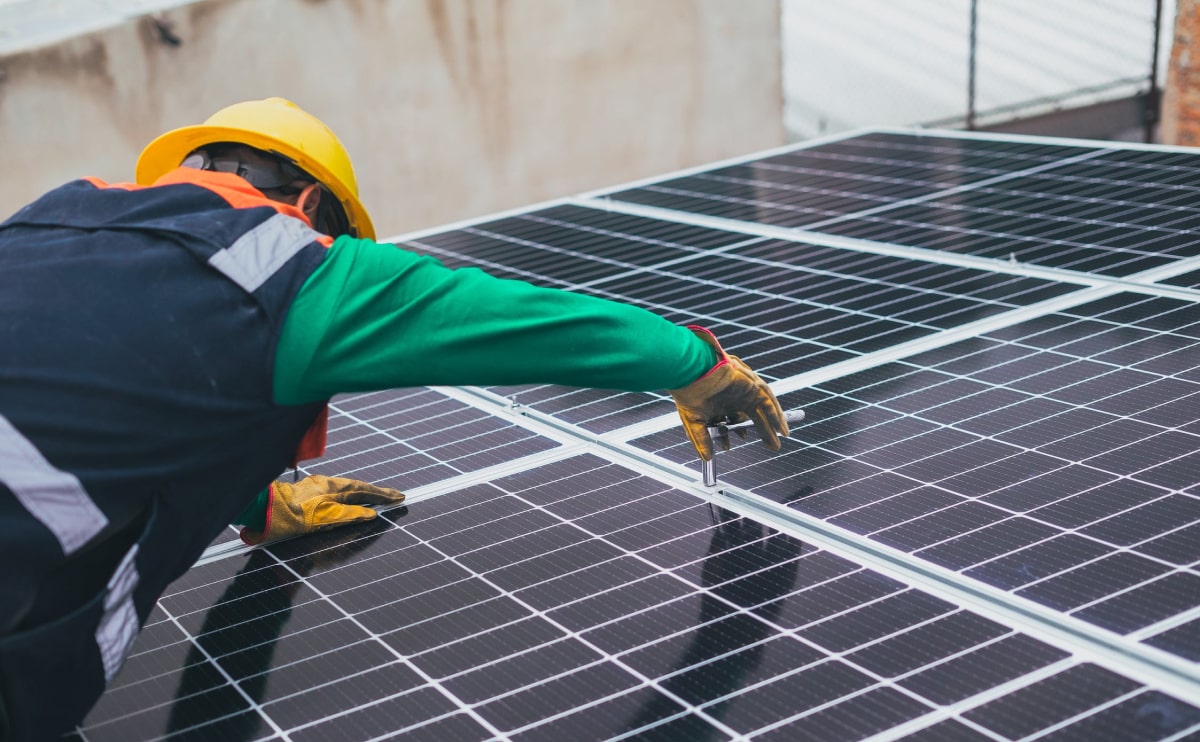
What Determines How Many Solar Panels You Need?
Several factors influence the number of panels required.
The most important include:
- Your daily electricity consumption
- The power rating of each solar panel
- The amount of sunlight available
- Roof orientation and shading
- System efficiency
- Your desired solar coverage
- Battery storage
- Electricity usage patterns
- Seasonal weather conditions
- Available roof space
This means that two homes with the same monthly electricity bill could potentially require different solar systems.
Start With Your Electricity Consumption
The first step in solar panel sizing is determining how much electricity your home uses.
Electricity consumption is normally measured in kilowatt-hours (kWh).
Your electricity bill may show monthly consumption.
For example, suppose a household uses:
600 kWh per month.
A simple estimate of average daily consumption would be:
600 ÷ 30 = 20 kWh per day
This gives you a starting point for designing the solar system.
However, average daily consumption is not always enough.
Your electricity use may vary considerably between weekdays, weekends, seasons, and different months.
Why Your Electricity Bill Is Important
Your electricity bills can provide valuable information for solar planning.
Ideally, look at approximately 12 months of electricity bills.
This helps identify:
- Average monthly consumption
- Highest monthly consumption
- Lowest monthly consumption
- Seasonal patterns
- Changes in electricity demand
If your electricity consumption is increasing, you should consider future needs rather than sizing the solar system only around today’s usage.
For example, perhaps you are planning to add:
- An air conditioner
- Electric water heating
- A larger refrigerator
- A water pump
- An electric vehicle
- Additional computers
- More business equipment
Future electricity demand should be considered before finalizing the system.
Understanding Solar Panel Wattage
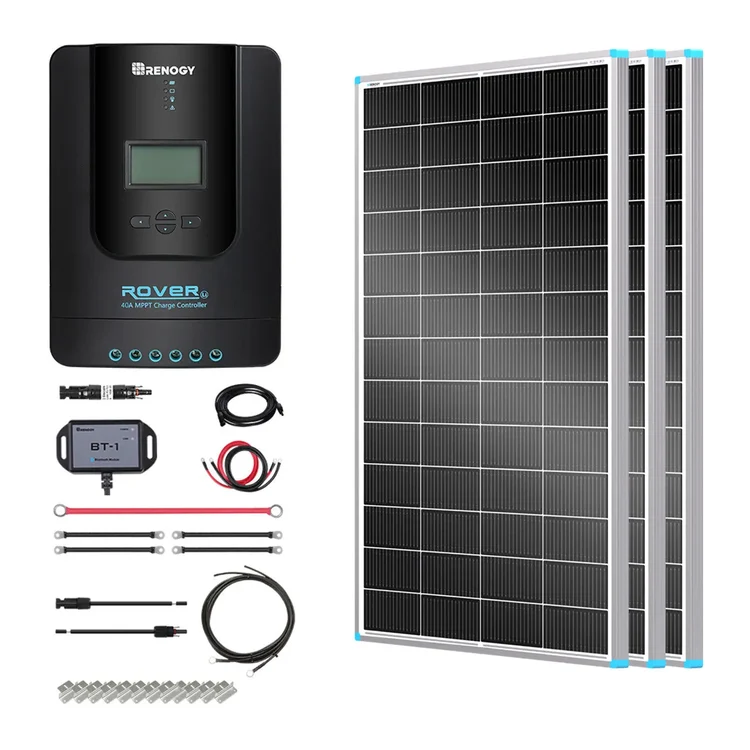
Solar panels are commonly rated in watts.
Modern residential panels can have ratings such as:
- 400W
- 450W
- 500W
- 550W
The exact output depends on the panel model and test conditions.
A higher-wattage panel generally produces more electricity under comparable conditions.
However, panel wattage is not the same thing as daily energy production.
A 500W panel does not produce 500W continuously throughout the entire day.
Solar production changes throughout the day based on sunlight.
How Much Electricity Does One Solar Panel Produce?
A simplified calculation can estimate daily production.
For example, assume you have a:
500W solar panel
and the location receives approximately:
5 peak sun hours per day.
The theoretical daily production would be:
0.5kW × 5 hours = 2.5kWh
However, real systems experience losses.
Losses can come from:
- Inverter conversion
- Wiring
- Temperature
- Dust
- Panel mismatch
- Shading
- Battery charging
- Other system components
Therefore, actual usable electricity may be lower.
What Are Peak Sun Hours?
Peak sun hours do not mean the sun is literally shining for only a certain number of hours.
Instead, peak sun hours represent an equivalent amount of sunlight at a standardized intensity.
A location might receive, for example, the equivalent of several hours of full-strength solar energy per day even though daylight lasts much longer.
Solar designers use this concept when estimating potential energy production.
Why Location Matters
Solar panels installed in different regions can produce very different amounts of electricity.
Factors include:
- Latitude
- Climate
- Cloud cover
- Rainfall
- Seasonal weather
- Air quality
- Roof orientation
- Shading
A solar system designed for one location should not automatically be copied to another location.
This is particularly important when comparing solar systems across different countries.
Solar Panel Orientation
The direction your solar panels face can affect energy production.
The ideal orientation depends on the location of the property.
Panels should generally be positioned to receive strong sunlight for as much of the day as practical.
Roof orientation can also affect the timing of electricity generation.
For example, panels facing one direction may generate more electricity earlier in the day, while another orientation may produce more electricity later.
Roof Tilt
Panel tilt can also influence solar production.
The optimal angle depends on geographic location and system objectives.
However, a roof does not necessarily need to have the mathematically perfect angle to produce useful solar energy.
A professional solar assessment can determine whether the existing roof is suitable.
The Importance of Shading
Shading can significantly affect solar production.
Common sources of shading include:
- Trees
- Buildings
- Walls
- Water tanks
- Chimneys
- Nearby structures
Even partial shading can affect the performance of a solar array depending on the system architecture.
Before installing panels, assess how shadows move across the roof throughout the day and across different seasons.
How to Calculate the Number of Solar Panels You Need
A simplified solar panel sizing process looks like this:
Step 1: Determine daily electricity consumption.
Example:
20kWh/day
Step 2: Estimate available peak sun hours.
Example:
5 hours/day
Step 3: Calculate required solar capacity.
20 ÷ 5 = 4kW
Step 4: Account for system losses.
You may need a larger array than the simple 4kW calculation suggests.
Step 5: Divide the required capacity by the panel wattage.
If each panel is 500W:
4,000W ÷ 500W = 8 panels
Again, this is a simplified example. A professional system design should use local solar data, equipment specifications, roof conditions, and expected system losses.
Example: A Small Home
Suppose a small household uses approximately:
8kWh per day.
Assume:
5 peak sun hours
and 450W panels.
The simplified calculation is:
8 ÷ 5 = 1.6kW
Then:
1,600W ÷ 450W ≈ 3.6 panels
Since you cannot install 3.6 panels, you would need at least four panels in this simplified calculation.
However, after accounting for system losses and actual operating conditions, the final system may require additional capacity.
Example: A Medium-Sized Home
Suppose a household uses:
15kWh per day.
With 5 peak sun hours:
15 ÷ 5 = 3kW
Using 500W panels:
3,000W ÷ 500W = 6 panels
Again, this is only a simplified starting point.
A real system design may require more panels depending on the location and desired energy coverage.
Example: A High-Energy Home
Consider a home consuming:
30kWh per day.
At 5 peak sun hours:
30 ÷ 5 = 6kW
Using 500W panels:
6,000W ÷ 500W = 12 panels
But if the homeowner wants reliable energy production throughout less-sunny periods, the system may need additional capacity.
How Many Panels Do I Need for a 5kW Solar System?
The answer depends on panel wattage.
With 400W panels:
5,000 ÷ 400 = 12.5
So you would need approximately 13 panels to reach or exceed 5kW.
With 500W panels:
5,000 ÷ 500 = 10 panels
With 550W panels:
5,000 ÷ 550 ≈ 9.1
So approximately 10 panels would be required.
This illustrates why the number of panels depends on the wattage of each panel.
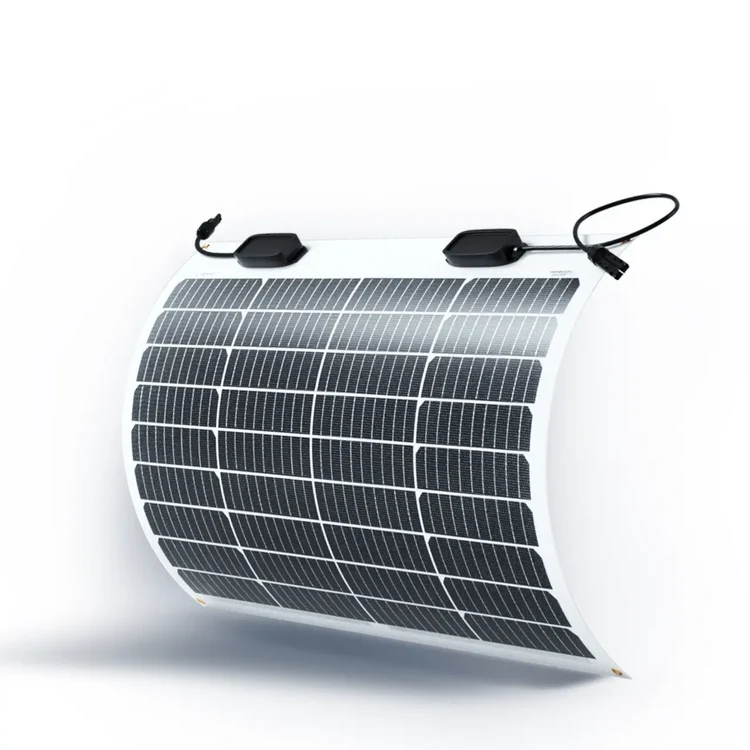
How Many Panels Do I Need for a 10kW Solar System?
Using 500W panels:
10,000 ÷ 500 = 20 panels
Using 450W panels:
10,000 ÷ 450 ≈ 22.2
So approximately 23 panels would be needed to exceed 10kW.
Solar Panel Number vs Solar System Size
It is important to understand the difference between:
Number of panels
and
Total solar capacity
For example:
20 panels × 500W =
10,000W
or:
10kW
Therefore, increasing the wattage of individual panels can reduce the number of panels required for a particular system capacity.
However, larger panels may also have different physical dimensions.
Roof Space Requirements
Solar panels require physical space.
The total roof area depends on:
- Number of panels
- Panel dimensions
- Required spacing
- Roof layout
- Access pathways
- Safety clearances
For example, 20 large solar panels may require considerably more roof space than 20 smaller panels.
A solar installer should measure the roof before finalizing the design.
What If My Roof Is Too Small?
If your roof cannot accommodate enough panels, several solutions may be possible.
You could consider:
- Higher-wattage panels
- Additional roof sections
- Ground-mounted solar
- Carport solar
- Solar canopies
- Improving energy efficiency
- Reducing electricity consumption
The best solution depends on the property.
Solar Panels and Battery Storage
If your solar system includes batteries, panel sizing becomes even more important.
The solar array needs to generate enough electricity to:
- Power the home
- Charge the battery
- Potentially provide energy during lower-solar periods
Suppose your home uses 15kWh per day and you also want to store 10kWh.
The solar system may need to generate significantly more than 15kWh per day because some electricity is lost during charging and conversion.
This is why battery systems often require careful energy modeling.
How Many Solar Panels Do I Need With a Battery?
There is no universal number.
The required solar capacity depends on:
- Daily household consumption
- Battery size
- Battery charging efficiency
- Desired backup duration
- Solar resource
- Seasonal conditions
- Inverter limits
A battery does not replace the need for adequate solar generation.
Instead, it stores some of the electricity the solar system produces.
Solar Panels for Off-Grid Homes
Off-grid systems require especially careful planning.
A grid-connected home can rely on the grid when solar production is insufficient.
An off-grid home cannot.
Therefore, an off-grid system may need enough solar capacity to produce energy for daily consumption while also charging batteries.
The design should account for periods of:
- Cloudy weather
- Rain
- Reduced sunlight
- High electricity demand
A generator may also be included as additional backup in some systems.
Solar Panels for Air Conditioning
Air conditioning can significantly increase household electricity consumption.
Before adding air conditioning to a solar system, determine:
- Air-conditioner power rating
- Daily operating hours
- Startup or compressor requirements
- Seasonal use
- Number of units
A home with multiple air conditioners may require a significantly larger solar array and battery system than a home without them.
Solar Panels for Refrigerators and Freezers
Refrigerators and freezers are common solar loads.
Although their average power consumption may appear relatively modest, they operate throughout the day and use compressors that can have startup surges.
When designing a solar-plus-battery system, consider both:
- Daily energy consumption
- Startup power requirements
Solar Panels for Water Pumps
Water pumps can also be important loads.
Pump size and operating hours determine energy consumption.
A large pump running for several hours per day can require substantial solar capacity.
For systems using batteries, inverter surge capacity should also be considered.
Solar Panel Efficiency
Solar panel efficiency describes how effectively a panel converts sunlight into electricity.
Higher-efficiency panels can produce more electricity from a given amount of roof space.
This can be particularly valuable when roof space is limited.
However, efficiency is only one specification.
Also consider:
- Warranty
- Degradation rate
- Temperature coefficient
- Panel dimensions
- Mechanical strength
- Manufacturer support
- Installation requirements
Solar Panel Degradation
Solar panels gradually lose some production capability over time.
Manufacturers generally provide product and performance warranties describing expected long-term performance.
When comparing panels, examine the guaranteed output over the warranty period rather than looking only at the initial rated wattage.
What Happens on Cloudy Days?
Solar panels can still generate electricity on cloudy days, but production may be lower than during bright sunlight.
The reduction depends on:
- Cloud thickness
- Weather conditions
- Panel technology
- Solar position
Battery storage can help smooth out changes in solar production.
However, batteries cannot create energy that was never generated.
If several days of poor solar weather occur, an off-grid system may need additional generation or carefully managed loads.
Do Solar Panels Work During Rain?
Yes.
Solar panels can still generate electricity when it is raining, provided there is sufficient light.
However, production is usually lower than during clear conditions.
This is another reason solar systems should be designed using realistic local solar-resource data rather than assuming maximum panel output every day.
Should You Install More Solar Panels Than You Need?
In some cases, installing additional solar capacity can make sense.
Extra capacity can help:
- Increase energy production
- Compensate for cloudy periods
- Charge batteries faster
- Support future electricity demand
- Reduce dependence on the grid
However, the system should remain within the inverter, electrical, roof, and regulatory limits.
More panels are not automatically better.
Solar Panel Sizing for Future Energy Needs
Your electricity consumption may increase over time.
You may later add:
- Electric vehicles
- Air conditioning
- More appliances
- Larger refrigeration
- Electric water heating
- Home offices
- Business equipment
Planning for future electricity consumption can prevent the need for expensive system expansion later.
Should You Install Solar Panels Before Buying a Battery?
There is no universal answer.
Some homeowners install solar first and add batteries later.
Others install solar and batteries at the same time.
If you know you want battery storage in the future, it is important to select an inverter and system architecture that can support the planned expansion.
Common Solar Panel Sizing Mistakes
Mistake 1: Using Only Panel Wattage
Panel wattage does not tell you exactly how much electricity a panel will produce every day.
Solar production depends on sunlight and system conditions.
Mistake 2: Ignoring Shading
A heavily shaded roof can produce significantly less electricity than expected.
Mistake 3: Ignoring Seasonal Changes
Solar production changes throughout the year.
Mistake 4: Forgetting Energy Losses
Real systems experience conversion and wiring losses.
Mistake 5: Ignoring Future Loads
Your electricity consumption may increase.
Mistake 6: Choosing Panels Before Checking the Roof
The roof must have enough usable space.
Mistake 7: Ignoring Battery Requirements
If you want battery storage, the solar array must be designed to charge the battery appropriately.
Frequently Asked Questions
How many solar panels does an average home need?
There is no universal number. The required number depends on electricity consumption, panel wattage, sunlight, roof conditions, and desired solar coverage.
How many panels do I need for 10kWh per day?
The answer depends on local solar conditions and panel wattage. A professional design should account for system losses and seasonal production.
Can 10 solar panels power a house?
They can, depending on their wattage and the home’s electricity consumption. Ten high-output panels can produce considerably more electricity than ten low-output panels.
How many panels do I need for a 5kW system?
The number depends on panel wattage. For example, ten 500W panels produce 5kW of rated DC capacity.
Do solar panels work at night?
No. Solar panels require light to generate electricity. A battery can provide stored solar energy at night.
Can solar panels work without a battery?
Yes. Grid-connected solar systems can operate without batteries.
Do I need batteries for an off-grid home?
Generally, yes. An off-grid system needs energy storage or another generation source to provide electricity when solar production is insufficient.
Can I add more solar panels later?
In many systems, expansion is possible, but the inverter, roof space, electrical equipment, and system design must support the additional capacity.
Final Conclusion
Determining how many solar panels you need for your home starts with understanding your electricity consumption.
From there, you need to consider solar panel wattage, available sunlight, roof orientation, shading, system losses, battery storage, inverter capacity, and future energy requirements.
A simple calculation can provide a starting estimate, but professional solar design is recommended for the final system.
The goal should not simply be to install the largest possible number of panels.
Instead, the goal is to create a balanced energy system in which:
Solar generation + battery storage + inverter capacity + household consumption
work together efficiently.
With proper planning, the right number of solar panels can help reduce grid dependence, lower electricity costs, provide cleaner energy, and create a more reliable power system for your home throughout the year.