 +13692363966
 NEWSLETTER

A solar inverter for home is one of the most important components of any residential solar energy system. While solar panels capture sunlight and generate electricity, they cannot power your household appliances on their own. The inverter is responsible for converting the electricity produced by your solar panels into a form your home can safely use.
Without a properly functioning inverter, even the highest-quality solar panels cannot deliver usable electricity.
As residential solar adoption continues to grow, homeowners now have several inverter technologies to choose from. Understanding the differences between string inverters, microinverters, hybrid inverters, and power optimizers can help you select the right system for your home’s energy needs.
This comprehensive guide explains everything you need to know about choosing the best solar inverter for home, including how inverters work, the different types available, installation considerations, maintenance, costs, and buying tips.
By the end of this article, you’ll understand why the inverter is often called the “brain” of a residential solar system.
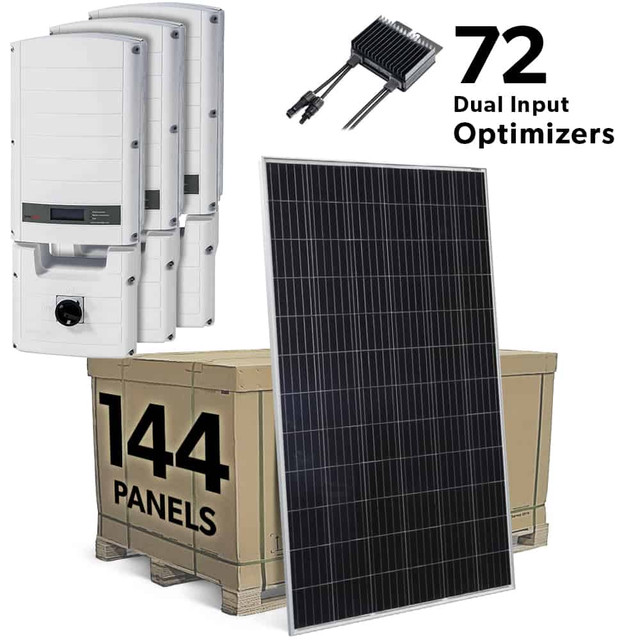
Table of Contents
- What Is a Solar Inverter?
- Why Every Home Solar System Needs an Inverter
- How Solar Inverters Work
- Types of Solar Inverters
- Hybrid Inverters Explained
- Choosing the Right Inverter
- Installation Costs
- Maintenance
- Frequently Asked Questions
- Conclusion
What Is a Solar Inverter?
A home solar inverter is an electrical device that converts the direct current (DC) electricity generated by solar panels into alternating current (AC) electricity that powers your home.
Most household appliances—including refrigerators, televisions, washing machines, computers, lighting systems, and air conditioners—operate using AC electricity.
Because solar panels naturally generate DC electricity, the inverter is essential for making that electricity usable.
A residential solar inverter also performs several additional functions, including:
- Monitoring energy production
- Managing system performance
- Detecting faults
- Communicating with battery systems
- Ensuring electrical safety
- Synchronizing with the utility grid (for grid-connected systems)
Modern inverters include intelligent software that allows homeowners to monitor energy production using smartphone apps or web-based dashboards.
Why Is a Solar Inverter So Important?
Many homeowners focus primarily on choosing the best solar panels, but the inverter plays an equally important role.
A high-quality solar power inverter helps:
- Maximize electricity production
- Improve system efficiency
- Increase safety
- Monitor system performance
- Extend equipment life
- Support battery storage
- Reduce maintenance issues
Choosing the right inverter ensures that your solar investment performs efficiently for many years.
How Does a Solar Inverter Work?
Understanding how a solar inverter for home works makes it easier to appreciate its role in your renewable energy system.
Step 1: Solar Panels Generate DC Electricity
When sunlight strikes your photovoltaic panels, they produce direct current (DC) electricity.
Step 2: DC Electricity Travels to the Inverter
The electricity generated by your solar panels flows through electrical wiring into the inverter.
Step 3: The Inverter Converts DC to AC
The inverter converts direct current into alternating current (AC), which is compatible with your home’s electrical system.
Step 4: Your Home Uses the Electricity
The AC electricity powers household appliances such as:
- Lights
- Refrigerators
- Air conditioners
- Washing machines
- Computers
- Kitchen appliances
- Entertainment systems
Step 5: Excess Electricity
If your system produces more electricity than your household requires, the extra energy may:
- Charge a home battery
- Be exported to the utility grid (where available)
- Earn net metering credits, depending on local regulations
Types of Solar Inverters
Choosing the right inverter starts with understanding the available technologies.
1. String Inverters
String inverters are the most common type used in residential solar installations.
In this configuration, multiple solar panels are connected in a series (or “string”) and linked to a single inverter.
Advantages
- Lower upfront cost
- Proven technology
- Easy maintenance
- Reliable performance
- Simple installation
Best For
- Roofs with consistent sunlight
- Homes with minimal shading
- Budget-conscious homeowners
Limitations
If one panel experiences significant shading or reduced performance, the output of the entire string may be affected.
2. Microinverters
Unlike string inverters, microinverters are installed behind each individual solar panel.
Each panel operates independently.
Advantages
- Maximum electricity production
- Better performance with partial shading
- Individual panel monitoring
- Greater system flexibility
- Easier future expansion
Best For
- Complex roof designs
- Roofs with partial shading
- Homes requiring maximum efficiency
Limitations
Microinverters generally have a higher upfront cost than string inverter systems.
3. Power Optimizers
Power optimizers combine features of both string inverters and microinverters.
Each solar panel has an optimizer that improves panel-level performance while still using a central inverter.
Advantages
- Improved energy production
- Better shading performance
- Individual panel monitoring
- Lower cost than full microinverter systems
Best For
- Homes with occasional shading
- Homeowners seeking improved performance without the cost of microinverters
4. Hybrid Inverters
Hybrid inverters are becoming increasingly popular because they combine solar power conversion with battery management.
These systems allow homeowners to integrate home solar battery storage more easily.
Advantages
- Battery-ready design
- Backup power capability
- Smart energy management
- Greater energy independence
- Simplified installation
Best For
- New solar installations
- Homes planning future battery storage
- Homeowners seeking maximum flexibility
String Inverters vs. Microinverters
| Feature | String Inverter | Microinverter |
|---|---|---|
| Installation Cost | Lower | Higher |
| Panel Monitoring | Whole System | Individual Panels |
| Performance in Shade | Moderate | Excellent |
| Expansion | Moderate | Easy |
| Maintenance | Simple | Panel-Level Components |
| Best For | Simple Roofs | Complex Roofs |
Key Features to Compare
Before purchasing a solar inverter for home, compare these important features:
Conversion Efficiency
Higher conversion efficiency means more of your solar electricity becomes usable household electricity.
Battery Compatibility
If you plan to install battery storage now or in the future, verify that the inverter supports battery integration.
Monitoring Software
Many modern inverters include smartphone apps that display:
- Electricity production
- Household consumption
- Battery status
- Daily savings
- Performance alerts
Warranty Coverage
Review both:
- Product warranty
- Installation workmanship warranty
Longer warranties often reflect greater manufacturer confidence.
Safety Features
Modern inverters should include protection against:
- Electrical faults
- Overheating
- Voltage fluctuations
- Ground faults
- Arc faults
These safety features protect both your equipment and your home.
Choosing the Right Solar Inverter
When selecting a residential solar inverter, consider:
- Household electricity usage
- Roof layout
- Shading conditions
- Battery storage plans
- Budget
- Long-term expansion goals
Working with a qualified installer ensures the inverter is correctly matched to your solar panels and energy requirements.]
Solar Inverter for Home Costs, Lifespan, Maintenance, and Buying Guide
Choosing the right solar inverter for home is just as important as selecting quality solar panels. The inverter affects how efficiently your system converts solar energy into usable electricity, how easily you can monitor performance, and how well your system integrates with battery storage.
In this section, we’ll explore inverter costs, lifespan, maintenance requirements, and practical tips for selecting the best inverter for your home.
How Much Does a Solar Inverter for Home Cost?
The total cost of a home solar inverter depends on several factors, including the type of inverter, system size, installation complexity, and compatibility with battery storage.
Important factors that influence cost include:
- Inverter technology
- System capacity
- Battery compatibility
- Monitoring features
- Installation labor
- Electrical upgrades
- Warranty coverage
Although premium inverters usually cost more initially, they often deliver higher efficiency, advanced monitoring features, and longer service life.
Factors That Affect Solar Inverter Pricing
1. Inverter Type
Different inverter technologies have different price ranges.
String Inverters
Generally the most affordable option.
Best suited for:
- Simple roof layouts
- Homes with little shading
- Standard residential installations
Microinverters
Microinverters usually have a higher upfront cost because each solar panel has its own inverter.
Benefits include:
- Improved efficiency
- Better shade performance
- Individual panel monitoring
- Easier future expansion
Hybrid Inverters
Hybrid inverters cost more than traditional string inverters because they manage both solar electricity and battery storage.
They are an excellent investment for homeowners planning to install home solar battery storage now or in the future.
2. System Size
Larger solar systems generally require larger or multiple inverters.
The inverter must be properly matched to the expected energy production of your solar panels.
Oversizing or undersizing the inverter can reduce overall system performance.
3. Battery Compatibility
If your system includes—or may eventually include—a solar battery, ensure the inverter supports battery integration.
Battery-ready inverters may cost slightly more initially but can save money by reducing future upgrade costs.
4. Monitoring Features
Many premium residential solar inverters include advanced monitoring software that allows homeowners to track:
- Daily electricity generation
- Household energy consumption
- Battery charging
- Monthly savings
- System efficiency
- Equipment alerts
Smart monitoring helps identify problems early and optimize energy usage.
Solar Inverter Lifespan
A solar inverter typically has a shorter lifespan than solar panels.
While solar panels often last 25 to 30 years, many residential inverters are designed to operate for 10 to 15 years, depending on:
- Equipment quality
- Installation quality
- Climate
- Daily operating conditions
- Maintenance
Planning for a possible inverter replacement during the lifetime of your solar system is a normal part of long-term ownership.
Signs Your Solar Inverter May Need Attention
Monitoring your inverter’s performance helps prevent unexpected issues.
Potential warning signs include:
- Reduced electricity production
- Error messages on the display
- Warning lights
- Frequent system shutdowns
- Unusual noises
- Loss of communication with monitoring software
If you notice any of these issues, contact a qualified solar technician for an inspection.
How to Maintain a Solar Inverter
One advantage of modern solar power inverters is that they require relatively little maintenance.
Following a few simple practices can help maximize performance.
Keep the Area Clean
Install the inverter in a clean, dry, well-ventilated location.
Avoid:
- Excessive dust
- Standing water
- Direct exposure to harsh weather (unless the unit is designed for outdoor installation)
- Blocking ventilation openings
Proper airflow helps prevent overheating.
Monitor Performance Regularly
Check your monitoring application regularly to verify:
- Daily electricity production
- System efficiency
- Battery performance
- Error notifications
Early detection of problems can reduce repair costs and minimize downtime.
Schedule Professional Inspections
Periodic inspections help ensure:
- Electrical connections remain secure
- Cooling systems function properly
- Software is up to date
- Safety systems operate correctly
Many installers recommend professional inspections every few years or according to the manufacturer’s maintenance schedule.
Understanding Solar Inverter Efficiency
Inverter efficiency refers to how effectively the device converts DC electricity into AC electricity.
Higher efficiency means:
- Less energy loss
- More usable electricity
- Better overall system performance
While no inverter is 100% efficient, choosing a high-efficiency model can improve energy production over the lifetime of your system.
How to Compare Solar Inverter Brands
When researching the best solar inverter, compare products using objective criteria rather than price alone.
Consider the following:
Warranty Coverage
Review:
- Product warranty
- Replacement policy
- Technical support availability
Longer warranties often provide additional peace of mind.
Reliability
Look for manufacturers with a proven track record of producing dependable residential solar equipment.
Reliable products help reduce maintenance costs and system downtime.
Monitoring Platform
Evaluate the monitoring software.
The best systems provide:
- Easy-to-read dashboards
- Mobile applications
- Historical production data
- Performance alerts
- Battery monitoring (if applicable)
Customer Support
Responsive customer service can be valuable if technical issues arise.
Choose manufacturers and installers known for strong after-sales support.
Common Mistakes to Avoid
Avoid these common mistakes when selecting a solar inverter for home.
Choosing Based Only on Price
A lower-priced inverter may lack important features such as:
- Advanced monitoring
- Battery compatibility
- Longer warranty
- Higher efficiency
Evaluate the total value rather than focusing solely on upfront cost.
Ignoring Future Battery Plans
If you may add battery storage later, choose a battery-compatible or hybrid inverter from the beginning.
This can simplify future upgrades and reduce installation costs.
Buying the Wrong Size Inverter
The inverter should be correctly matched to your solar panel system.
An undersized inverter may limit electricity production.
An oversized inverter may increase costs without providing additional benefits.
Professional system design helps ensure the correct match.
Hiring Inexperienced Installers
Even the highest-quality inverter cannot perform properly if it is installed incorrectly.
Choose an experienced installer who understands:
- Electrical codes
- System design
- Inverter configuration
- Monitoring setup
- Safety requirements
Questions to Ask Before Buying a Solar Inverter
Before selecting your inverter, ask your installer:
- Which inverter technology best suits my roof?
- Is this inverter compatible with battery storage?
- What warranty is included?
- Can I monitor the system using a smartphone app?
- What happens if the inverter fails?
- Is future system expansion possible?
- What maintenance is required?
These questions help ensure you choose equipment that meets both your current and future energy needs.
Benefits of Investing in a High-Quality Solar Inverter
A premium solar inverter for home offers several long-term advantages:
- Higher conversion efficiency
- Improved electricity production
- Better monitoring capabilities
- Greater system reliability
- Easier battery integration
- Longer warranty protection
- Enhanced safety features
- Increased overall return on investment
Because the inverter is central to your solar energy system, investing in quality equipment often pays off over the long term.
Environmental Benefits of Choosing the Right Solar Inverter for Home
While solar panels often receive most of the attention, a high-quality solar inverter for home also plays an important role in maximizing the environmental benefits of residential solar energy. An efficient inverter ensures that more of the electricity generated by your solar panels is converted into usable power, reducing waste and improving the overall performance of your renewable energy system.
Maximize Renewable Energy Production
A modern home solar inverter helps ensure that your solar panels operate at their highest possible efficiency.
More efficient energy conversion means:
- More clean electricity for your home
- Less energy lost during conversion
- Reduced dependence on fossil fuel-generated electricity
- Better long-term performance
Even small improvements in inverter efficiency can result in significant energy savings over the life of a solar system.
Reduce Greenhouse Gas Emissions
Every unit of electricity generated by your solar system reduces the need for electricity from conventional power plants.
By choosing a high-performance residential solar inverter, homeowners can maximize the amount of renewable energy their system delivers, helping reduce carbon emissions over many years.
Support Grid Stability
Modern inverters do much more than convert electricity.
Advanced models help:
- Stabilize voltage
- Improve power quality
- Communicate with utility systems
- Support smart grid technologies
- Integrate renewable energy more effectively
As more homes adopt solar energy, intelligent inverters play an increasingly important role in maintaining a stable and reliable electrical grid.
Improve Energy Independence
A reliable inverter allows homeowners to use more of the electricity generated by their solar panels.
When combined with home solar battery storage, advanced hybrid inverters can:
- Store excess electricity
- Supply backup power during outages
- Reduce dependence on utility companies
- Increase self-consumption of solar energy
This gives homeowners greater control over their household energy supply.
Future Trends in Solar Inverter Technology
The solar industry continues to evolve rapidly, and inverter technology is becoming smarter, more efficient, and more connected.
Here are some of the most important trends shaping the future of solar inverter for home systems.
1. Artificial Intelligence and Smart Energy Management
Future inverters will increasingly use artificial intelligence (AI) to optimize energy production and consumption.
AI-powered systems can:
- Predict household energy usage
- Optimize battery charging schedules
- Detect equipment issues early
- Recommend maintenance
- Automatically improve system efficiency
These capabilities help homeowners maximize savings while reducing energy waste.
2. Better Battery Integration
As battery storage becomes more common, manufacturers are designing inverters that seamlessly integrate with residential battery systems.
Future hybrid inverters will offer:
- Faster charging
- Improved battery management
- Higher efficiency
- Simplified installation
- Better backup power capabilities
This makes expanding your solar system easier and more cost-effective.
3. Smart Grid Connectivity
Modern electrical grids are becoming more intelligent.
Future solar power inverters will communicate directly with utility providers to:
- Balance electricity demand
- Support virtual power plants
- Improve grid reliability
- Optimize energy distribution
This technology benefits both homeowners and utility companies.
4. Enhanced Remote Monitoring
Remote monitoring continues to improve.
Future systems will provide:
- Real-time performance tracking
- Automatic software updates
- Predictive maintenance alerts
- Detailed energy analytics
- Enhanced cybersecurity features
Homeowners will have greater visibility into how their solar systems perform every day.
5. Higher Conversion Efficiency
Manufacturers continue improving inverter efficiency.
Future models are expected to provide:
- Lower conversion losses
- Better performance under varying weather conditions
- Improved reliability
- Longer operational lifespans
These improvements will increase the amount of usable electricity generated from residential solar systems.
Frequently Asked Questions About Solar Inverters for Home
What does a solar inverter do?
A solar inverter for home converts the direct current (DC) electricity produced by solar panels into alternating current (AC) electricity used by household appliances. It also monitors system performance and, in many cases, manages battery integration and safety functions.
Which type of solar inverter is best?
The best choice depends on your home’s design and energy goals:
- String inverters are cost-effective for simple roofs with little shading.
- Microinverters are ideal for roofs with multiple angles or partial shade because each panel operates independently.
- Hybrid inverters are excellent if you plan to install battery storage or want backup power capability.
A professional installer can recommend the best option for your property.
How long does a solar inverter last?
Most residential solar inverters last between 10 and 15 years, although premium models may operate longer with proper installation and maintenance.
Can I add battery storage later?
Yes. Many homeowners install battery storage after their solar panels.
If future expansion is likely, choosing a battery-compatible or hybrid inverter during the initial installation can simplify the upgrade.
How do I know if my inverter is working correctly?
Most modern inverters include monitoring software that displays:
- Daily electricity production
- System efficiency
- Battery status (if installed)
- Error notifications
- Historical performance data
Regular monitoring helps identify potential issues before they become major problems.
Do solar inverters require maintenance?
Very little.
Routine maintenance generally includes:
- Keeping ventilation openings clear
- Monitoring system performance
- Scheduling occasional professional inspections
- Ensuring the surrounding area remains clean and dry
Can a solar inverter increase energy savings?
Yes.
A high-efficiency inverter minimizes energy losses during the conversion process, allowing more of the electricity produced by your solar panels to power your home.
Final Thoughts
A solar inverter for home is the heart of every residential solar energy system. While solar panels generate electricity, the inverter makes that electricity usable, monitors system performance, and ensures safe, efficient operation.
Choosing the right inverter requires evaluating several factors, including your roof layout, household energy consumption, future battery plans, budget, and long-term goals. Whether you select a string inverter, microinverter, or hybrid inverter, investing in high-quality equipment and professional installation will help maximize energy production and system reliability.
As inverter technology continues to improve, homeowners can expect even smarter energy management, better battery integration, and increased efficiency. Selecting the right inverter today helps ensure your solar investment continues delivering clean, reliable electricity for many years.