 +13692363966
 NEWSLETTER

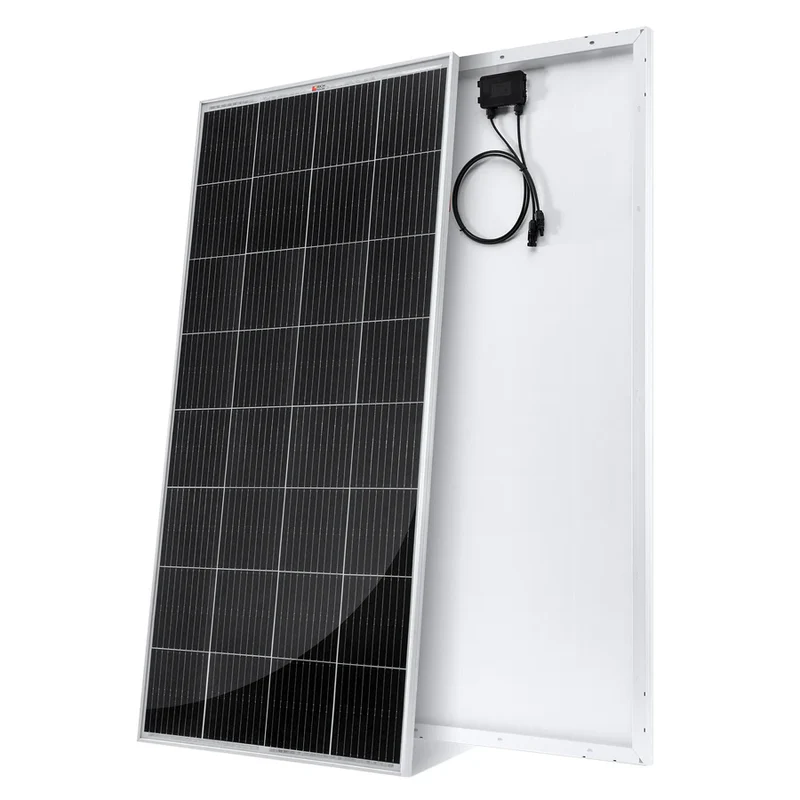
Choosing the best solar panels for home is one of the most important decisions you’ll make when investing in residential solar energy. With dozens of manufacturers, different technologies, and varying efficiency ratings available, selecting the right solar panels can feel overwhelming.
Fortunately, understanding a few key factors can make the decision much easier.
The best solar panels are not necessarily the most expensive—they’re the ones that match your home’s energy needs, roof space, climate, and budget while delivering reliable performance for decades.
Whether you’re planning a new home solar installation or replacing an older system, selecting high-quality panels can improve energy production, reduce electricity costs, and maximize your long-term return on investment.
In this comprehensive guide, you’ll learn how solar panels work, the different types available, the features to compare, and the key factors to consider before making a purchase.
By the end of this article, you’ll be equipped to confidently choose the best solar panels for your home.
Table of Contents
- What Are Solar Panels?
- How Solar Panels Work
- Types of Solar Panels
- Monocrystalline vs. Polycrystalline
- Key Features to Compare
- Efficiency Ratings
- Solar Panel Lifespan
- Choosing the Right Panels
- Frequently Asked Questions
- Conclusion
What Are Solar Panels?
Solar panels are devices that convert sunlight into electricity using photovoltaic (PV) technology.
Each panel contains multiple photovoltaic cells that absorb sunlight and generate direct current (DC) electricity. An inverter then converts this electricity into alternating current (AC), which powers household appliances.
Modern solar panels for home are designed to operate efficiently for decades while requiring very little maintenance.
A typical residential solar system includes:
- Solar panels
- Mounting hardware
- Solar inverter
- Electrical wiring
- Monitoring system
- Optional battery storage
Together, these components create a complete renewable energy solution for homeowners.
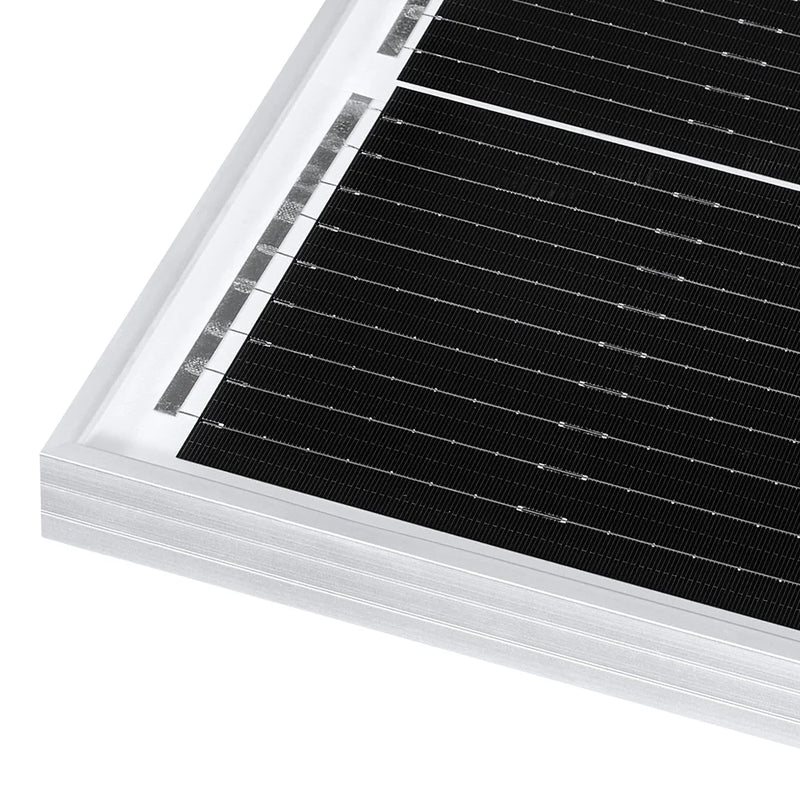
Why Choosing the Best Solar Panels Matters
Not all solar panels are created equal.
Selecting high-quality panels affects:
- Electricity production
- Long-term savings
- Roof space utilization
- System reliability
- Warranty coverage
- Property value
- Overall return on investment
Since most homeowners expect their solar systems to last 25–30 years, investing in reliable equipment from the beginning can help reduce maintenance costs and maximize lifetime energy production.
How Solar Panels Work
Understanding the basics of photovoltaic technology can help you make a more informed buying decision.
Step 1: Sunlight Reaches the Panels
Solar panels capture sunlight using photovoltaic cells.
Step 2: Electricity Is Produced
The photovoltaic cells convert sunlight into direct current (DC) electricity.
Step 3: The Inverter Converts Electricity
A solar inverter converts DC electricity into alternating current (AC), making it usable throughout your home.
Step 4: Your Home Uses the Electricity
The electricity generated powers household appliances, lighting, heating, cooling systems, and electronic devices.
Step 5: Excess Electricity
Extra electricity may:
- Charge a battery
- Be exported to the electrical grid
- Earn net metering credits where available
This process allows homeowners to maximize the value of every hour of sunshine.
Types of Solar Panels
There are three primary types of residential solar panels available today.
Each offers different advantages depending on your home’s requirements.
1. Monocrystalline Solar Panels
Monocrystalline panels are manufactured from a single crystal of silicon.
Advantages
- Highest efficiency
- Better performance in limited roof space
- Longer lifespan
- Attractive all-black appearance
- Excellent performance in warm weather
Best For
- Smaller roofs
- Maximum energy production
- Long-term investment
- Premium residential installations
Although monocrystalline panels generally cost more than other options, many homeowners consider the additional efficiency worthwhile.
2. Polycrystalline Solar Panels
Polycrystalline panels are manufactured using multiple silicon crystals.
Advantages
- Lower purchase price
- Reliable performance
- Proven technology
- Good value for larger roofs
Best For
- Budget-conscious homeowners
- Homes with abundant roof space
- Moderate electricity needs
While polycrystalline panels are slightly less efficient than monocrystalline panels, they remain a popular option due to their affordability.
3. Thin-Film Solar Panels
Thin-film solar panels use lightweight photovoltaic materials applied to flexible surfaces.
Advantages
- Lightweight
- Flexible installation options
- Lower manufacturing costs
- Suitable for some commercial applications
Limitations
- Lower efficiency
- Shorter lifespan
- Larger installation area required
Thin-film technology is less common for residential rooftops but may be appropriate for specialized projects.
Monocrystalline vs. Polycrystalline Solar Panels
Many homeowners struggle to decide between these two popular technologies.
| Feature | Monocrystalline | Polycrystalline |
|---|---|---|
| Efficiency | Higher | Moderate |
| Lifespan | 25–30+ years | 25+ years |
| Roof Space Required | Less | More |
| Performance in Heat | Excellent | Good |
| Appearance | Uniform black | Blue-toned |
| Cost | Higher | Lower |
For homeowners with limited roof space or higher energy demands, monocrystalline panels are often the preferred choice.
For those with larger roofs and tighter budgets, polycrystalline panels can provide excellent value.
Key Features to Compare Before Buying
Choosing the best solar panels for home involves comparing several important features.
Solar Panel Efficiency
Efficiency measures how much sunlight a panel converts into electricity.
Higher-efficiency panels generate more electricity from the same roof space.
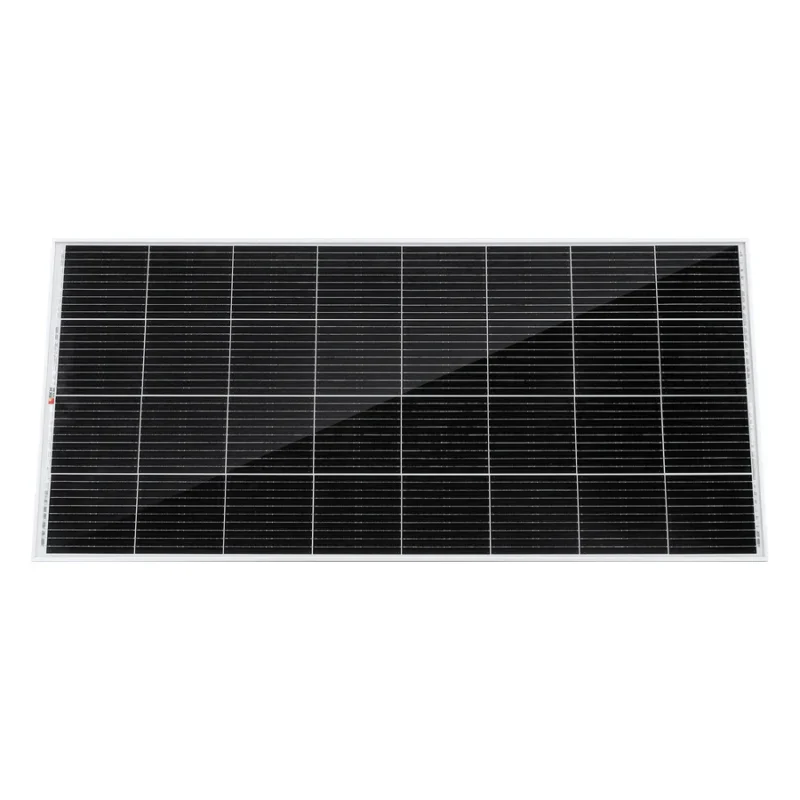
Power Output
Solar panels are rated by their maximum power output, measured in watts (W).
Higher wattage panels generally produce more electricity under similar conditions.
Temperature Coefficient
Solar panels naturally become less efficient as temperatures increase.
Panels with a lower temperature coefficient maintain better performance in hot climates.
Durability
Quality panels are designed to withstand:
- Heavy rain
- Snow
- Strong winds
- Hail
- High temperatures
Always choose panels certified to recognized industry standards.
Warranty Coverage
Manufacturers typically offer:
- Product warranties covering manufacturing defects
- Performance warranties guaranteeing minimum energy production over time
Longer warranties often indicate greater confidence in product quality.
How Much Efficiency Do You Really Need?
Many homeowners assume the highest-efficiency panel is always the best choice.
However, the ideal efficiency depends on:
- Available roof space
- Household energy usage
- Budget
- Local climate
- Future electricity needs
If roof space is limited, investing in higher-efficiency panels may allow you to generate more electricity without expanding the installation area.
Benefits of Choosing High-Quality Solar Panels
Investing in premium solar panels for home offers several long-term advantages.
These include:
- Greater electricity production
- Improved long-term savings
- Better warranty protection
- Increased home value
- Lower maintenance requirements
- Higher system reliability
- Longer operational lifespan
Although premium panels may cost more initially, they often deliver better value over the life of the system.
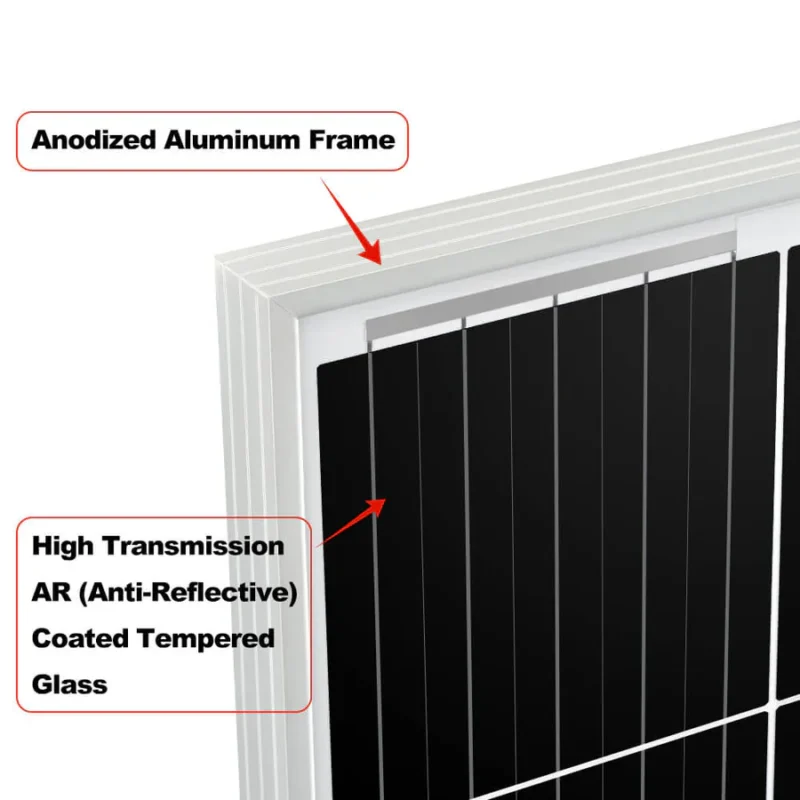
How to Compare the Best Solar Panels for Home Before You Buy
Choosing the best solar panels for home involves more than comparing prices. A quality solar system should provide reliable performance, excellent durability, strong warranty protection, and long-term financial savings.
Understanding the key factors that influence solar panel performance will help you make a smarter investment and avoid costly mistakes.
Factors That Affect Solar Panel Performance
Several variables determine how efficiently your solar panels generate electricity over their lifetime.
1. Sunlight Exposure
The amount of direct sunlight your roof receives is one of the biggest factors affecting solar energy production.
Homes with minimal shading and good sun exposure typically generate more electricity.
Potential sources of shade include:
- Large trees
- Nearby buildings
- Chimneys
- Roof vents
- Satellite dishes
Before a home solar installation, professional installers perform a shading analysis to identify any obstacles that could reduce system performance.
2. Roof Orientation
The direction your roof faces significantly affects electricity production.
In the Northern Hemisphere:
- South-facing roofs generally produce the highest output.
- East-facing roofs receive stronger morning sunlight.
- West-facing roofs capture more afternoon sunlight.
- North-facing roofs generally receive less direct sunlight.
Even if your roof isn’t perfectly oriented, a well-designed solar system can still perform efficiently.
3. Roof Angle
The angle of your roof influences how much sunlight reaches the solar panels throughout the year.
Professional installers determine the optimal panel angle based on:
- Geographic location
- Seasonal sun position
- Roof design
- Local climate
Proper panel positioning helps maximize annual electricity generation.
4. Climate and Weather
Modern solar panels for home are designed to perform in a wide range of weather conditions.
Although sunny regions generally produce more electricity, solar panels also generate power during:
- Cloudy days
- Winter months
- Cool temperatures
In fact, photovoltaic panels often operate more efficiently in cooler weather than in extreme heat.
5. Panel Quality
Higher-quality solar panels generally provide:
- Better efficiency
- Slower performance degradation
- Longer warranties
- Improved durability
- Higher lifetime energy production
Choosing reputable manufacturers helps ensure consistent performance over decades.
Understanding Solar Panel Efficiency Ratings
Efficiency measures how effectively a solar panel converts sunlight into electricity.
For example:
- A higher-efficiency panel produces more electricity from the same roof area.
- A lower-efficiency panel may require more roof space to generate equivalent power.
Efficiency is particularly important if your home has limited roof space.
When comparing products, remember that higher efficiency is only one consideration. Warranty coverage, reliability, and overall system design are equally important.
Solar Panel Degradation Explained
All solar panels gradually lose a small amount of efficiency over time. This natural decline is known as degradation.
High-quality panels typically experience a slow and predictable reduction in performance, allowing them to continue producing useful electricity for decades.
Many manufacturers include performance warranties that guarantee a minimum level of electricity production after 20–30 years.
Choosing panels with low annual degradation rates helps maximize long-term energy output.
Understanding Solar Panel Warranties
Warranty coverage is one of the most important factors when selecting the best solar panels for home.
Most manufacturers provide two primary types of warranties.
Product Warranty
The product warranty protects against manufacturing defects and equipment failures.
It generally covers:
- Faulty materials
- Manufacturing defects
- Unexpected equipment failure
Longer product warranties often indicate greater confidence in manufacturing quality.
Performance Warranty
The performance warranty guarantees that the solar panels will continue producing electricity above a specified level throughout the warranty period.
Because all panels gradually lose efficiency over time, performance warranties help ensure your system continues delivering reliable energy production.
Before purchasing a system, carefully review both warranty types and understand what is—and is not—covered.
How to Compare Solar Panel Brands
With many manufacturers offering residential solar panels, comparing brands can seem challenging.
Instead of focusing on brand recognition alone, evaluate products using objective criteria.
Consider the following:
Efficiency
Higher efficiency may be beneficial if roof space is limited.
Warranty
Compare both product and performance warranties.
Durability
Choose panels certified to withstand harsh weather conditions, including wind, rain, snow, and hail.
Performance History
Established manufacturers with a strong history of reliable products often provide greater confidence in long-term performance.
Customer Support
Reliable technical support and responsive warranty service can be valuable throughout the life of your system.
How Much Do the Best Solar Panels Cost?
The cost of premium solar panels for home depends on several factors.
These include:
- Panel technology
- Efficiency rating
- Manufacturer
- System size
- Installation complexity
- Battery storage
- Local labor costs
While premium panels often have higher upfront costs, they may produce more electricity over time, leading to greater long-term savings.
When comparing proposals, focus on the total value of the system rather than price alone.
How Much Money Can High-Quality Solar Panels Save?
Installing high-performance solar panels can substantially reduce your household electricity expenses.
Your total savings depend on:
- Electricity consumption
- Utility rates
- Available sunlight
- System size
- Local incentives
- Battery storage
- Net metering policies
Many homeowners recover their investment over time through lower utility bills and continue enjoying reduced energy costs for many years afterward.
Choosing the Right Solar Installer
Even the best solar panels perform poorly if they are installed incorrectly.
Choosing an experienced installer is just as important as selecting quality equipment.
Look for installers who offer:
- Professional certifications
- Extensive installation experience
- Positive customer reviews
- Transparent pricing
- Comprehensive warranties
- High-quality equipment
- Excellent customer service
Request proposals from multiple companies before making your decision.
A detailed quote should include:
- Equipment specifications
- Estimated annual electricity production
- Warranty information
- Installation timeline
- Total project cost
Comparing several quotes helps ensure you receive the best overall value.
Common Mistakes to Avoid When Buying Solar Panels
Avoiding these common mistakes can help protect your investment.
Buying Based Only on Price
The lowest-priced panels may not provide the best long-term value.
Instead, evaluate:
- Efficiency
- Warranty
- Reliability
- Installation quality
- Expected lifetime performance
Ignoring Roof Condition
Installing solar panels on an aging roof can create unnecessary future expenses.
If roof replacement is expected within the next several years, complete that work before installing solar panels.
Choosing the Wrong System Size
An undersized system may not meet your household’s electricity needs.
An oversized system may increase costs unnecessarily.
Professional energy assessments help determine the ideal system size.
Overlooking Future Energy Needs
Consider upcoming lifestyle changes such as:
- Purchasing an electric vehicle
- Expanding your home
- Adding a swimming pool
- Installing electric heating
- Working from home
Planning ahead helps ensure your solar system remains suitable for future electricity demand.
Failing to Compare Multiple Quotes
Request estimates from several reputable installers.
Comparing proposals allows you to evaluate:
- Equipment quality
- Pricing
- Warranties
- Installation methods
- Customer support
Never feel pressured to sign immediately without reviewing your options.
Should You Choose Premium Solar Panels?
Premium solar panels for home often make sense if you:
- Have limited roof space.
- Want maximum electricity production.
- Plan to stay in your home for many years.
- Value long-term reliability.
- Prefer strong warranty coverage.
- Want to maximize property value.
If your roof has ample space and your budget is more limited, mid-range panels may still provide excellent performance and value.
Benefits of Choosing the Best Solar Panels for Home
Investing in the best solar panels for home provides far more than lower electricity bills. High-quality solar panels deliver reliable energy production, improve your property’s value, reduce your environmental impact, and offer long-term financial security.
Whether you’re installing your first solar system or upgrading an existing one, selecting premium solar panels ensures you’ll enjoy dependable performance for decades.
1. Higher Energy Production
One of the biggest advantages of premium solar panels for home is their ability to generate more electricity from the same amount of sunlight.
Higher-efficiency panels convert a greater percentage of sunlight into usable electricity, making them especially valuable for homes with limited roof space.
More electricity generation means:
- Lower dependence on utility companies
- Greater monthly savings
- Better return on investment
- Improved energy independence
2. Better Performance in Challenging Conditions
Modern high-quality solar panels are designed to perform efficiently in a variety of weather conditions.
They continue generating electricity during:
- Cloudy days
- Winter months
- Light rain
- Cool temperatures
Premium panels also tend to maintain better performance during hot weather thanks to improved temperature coefficients.
3. Longer Operational Lifespan
Most premium solar panels are built to last 25 to 30 years, with many continuing to produce electricity well beyond their warranty period.
Their durability means homeowners can enjoy decades of renewable energy with relatively little maintenance.
4. Lower Long-Term Maintenance Costs
High-quality solar panels are manufactured using durable materials that resist corrosion, moisture, and weather damage.
As a result, they generally require:
- Fewer repairs
- Less maintenance
- Lower replacement costs
- Greater long-term reliability
Routine cleaning and occasional inspections are usually sufficient to keep the system operating efficiently.
5. Strong Warranty Protection
Leading manufacturers often provide comprehensive warranties covering both product quality and long-term performance.
These warranties give homeowners confidence that their investment is protected against manufacturing defects and unexpected performance issues.
Before purchasing, compare:
- Product warranty length
- Performance warranty terms
- Installation workmanship warranty
- Customer support availability
Environmental Benefits of Premium Solar Panels
Choosing the best solar panels for home supports a cleaner environment while reducing your household’s reliance on fossil fuels.
Reduce Carbon Emissions
Every kilowatt-hour of solar electricity replaces electricity that might otherwise come from fossil-fuel power plants.
Over the lifetime of your system, this can prevent a substantial amount of carbon dioxide emissions from entering the atmosphere.
Improve Air Quality
Solar energy produces electricity without releasing pollutants during normal operation.
Reducing dependence on fossil fuels contributes to:
- Cleaner air
- Reduced smog
- Improved public health
- Healthier communities
Preserve Natural Resources
Unlike coal, oil, and natural gas, sunlight is renewable and abundant.
By generating electricity from the sun, homeowners help conserve non-renewable natural resources while supporting sustainable energy production.
Future Trends in Solar Panel Technology
The solar industry continues to innovate rapidly.
Future developments promise even better performance, affordability, and convenience for homeowners.
Higher-Efficiency Solar Cells
Researchers are developing advanced photovoltaic technologies capable of generating more electricity from the same roof space.
These innovations will help homeowners maximize energy production without increasing installation size.
Bifacial Solar Panels
Bifacial solar panels capture sunlight from both the front and rear surfaces.
When installed in suitable locations, they can produce more electricity than traditional single-sided panels.
Although currently more common in commercial projects, bifacial technology is becoming increasingly available for residential use.
Improved Battery Integration
Battery storage is becoming a standard feature of modern home solar installation projects.
Future battery systems are expected to offer:
- Greater storage capacity
- Longer service life
- Faster charging
- Lower costs
- Improved safety
This will allow homeowners to use more of the electricity they generate and reduce reliance on the utility grid.
Smart Solar Systems
Artificial intelligence and smart home technologies are transforming residential energy management.
Future systems will automatically:
- Optimize electricity consumption
- Manage battery charging
- Schedule appliance usage
- Monitor equipment health
- Predict maintenance needs
These innovations will improve efficiency while maximizing financial savings.
Frequently Asked Questions About the Best Solar Panels for Home
Which type of solar panel is best for residential homes?
For most homeowners, monocrystalline solar panels are considered the best option because they offer high efficiency, excellent durability, and strong long-term performance. However, the ideal choice depends on your budget, available roof space, and energy needs.
How long do solar panels last?
Most premium solar panels are designed to last 25–30 years. Even after this period, many continue producing electricity, though with gradually reduced efficiency.
Do more expensive solar panels save more money?
Not always, but higher-quality panels often generate more electricity over their lifespan, require fewer repairs, and come with stronger warranties. Their long-term value may outweigh the higher upfront cost.
Can solar panels increase home value?
Yes. Homes equipped with professionally installed solar systems are often more attractive to buyers because they offer lower operating costs and improved energy efficiency.
Are solar panels difficult to maintain?
No. Residential solar panels require minimal maintenance. Occasional cleaning, routine monitoring, and periodic professional inspections are generally sufficient to keep them operating efficiently.
Should I install battery storage with my solar panels?
Battery storage is optional but provides valuable benefits, including:
Backup power during outages
Increased energy independence
Better use of excess solar electricity
Reduced reliance on the electrical grid
How do I know which solar panels are right for my home?
A professional solar assessment can evaluate your roof, energy usage, local climate, and budget to recommend the most suitable system for your needs.
Final Thoughts
Choosing the best solar panels for home is one of the most important decisions you’ll make when investing in renewable energy. While many options are available, focusing on quality, efficiency, durability, warranty protection, and professional installation will help ensure your system delivers reliable performance for decades.
Before making your final decision, compare several reputable manufacturers, review warranty terms carefully, obtain multiple installation quotes, and work with an experienced installer. By taking the time to evaluate your options, you’ll maximize your return on investment and enjoy clean, dependable electricity for many years.
As solar technology continues to advance, investing in high-quality solar panels for home is an increasingly practical way to lower energy costs, increase property value, and support a more sustainable future.