 +13692363966
 NEWSLETTER

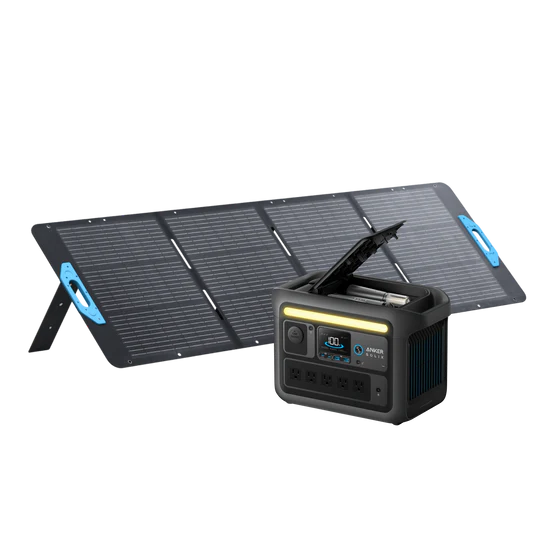
As homeowners look for smarter ways to reduce rising electricity costs, improve energy efficiency, and lessen their environmental impact, solar energy for home has become one of the most valuable investments available. Advances in solar technology have made residential systems more affordable, efficient, and reliable than ever before.
Unlike traditional electricity generated from fossil fuels, solar energy harnesses the power of the sun to produce clean, renewable electricity. By installing solar panels for home, homeowners can reduce monthly utility bills, gain greater energy independence, and increase the value of their property.
Beyond the financial savings, solar power also contributes to a healthier environment by reducing greenhouse gas emissions and dependence on non-renewable resources. Whether you live in a sunny climate or a region with moderate sunlight, modern solar systems are designed to perform efficiently in a wide range of conditions.
This comprehensive guide explores the top 15 reasons why homeowners are switching to solar energy and explains why now is one of the best times to make the transition.
By the end of this article, you’ll understand how solar energy for home can transform your household finances while contributing to a cleaner and more sustainable future.
Table of Contents
- What Is Solar Energy for Home?
- How Home Solar Systems Work
- 15 Reasons to Switch to Solar
- Financial Benefits
- Environmental Benefits
- Energy Independence
- Frequently Asked Questions
- Conclusion
What Is Solar Energy for Home?
Solar energy for home refers to electricity generated by residential solar panels installed on rooftops or other suitable locations on a property. These systems capture sunlight and convert it into electricity that powers everyday household appliances, lighting, heating, cooling systems, and electronic devices.
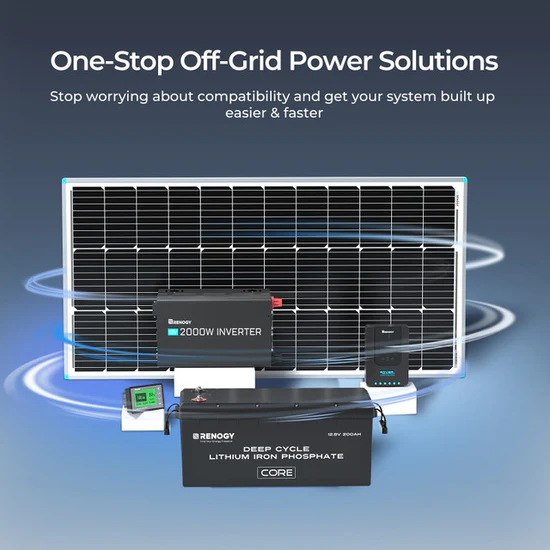
A complete home solar system generally consists of:
- Solar panels
- Mounting hardware
- Solar inverter
- Electrical wiring
- Monitoring system
- Optional battery storage
Together, these components allow homeowners to generate clean electricity while reducing reliance on traditional utility providers.
How Does Solar Energy Work?

The process of generating electricity from sunlight is both simple and highly efficient.
Step 1: Sunlight Reaches the Solar Panels
Photovoltaic (PV) cells inside the solar panels absorb sunlight during daylight hours.
Step 2: Electricity Is Generated
The PV cells convert sunlight into direct current (DC) electricity.
Step 3: The Inverter Converts the Electricity
A solar inverter changes the DC electricity into alternating current (AC), which powers household appliances.
Step 4: Your Home Uses the Electricity
The electricity generated is immediately used throughout your home.
Step 5: Excess Electricity
When your system produces more electricity than your household consumes, the extra energy can:
- Charge a battery system
- Be exported to the utility grid (where available)
- Earn credits through net metering programs
15 Reasons Every Homeowner Should Switch to Solar
1. Significantly Lower Electricity Bills
Perhaps the most obvious advantage of solar energy for home is reducing monthly electricity costs.
Instead of purchasing all your electricity from the utility company, your solar system generates much of the power your household needs.
Depending on your location, system size, and electricity usage, homeowners may dramatically reduce their monthly utility expenses.
As electricity prices continue to rise, these savings become even more valuable.
2. Protection Against Rising Energy Costs
Electricity prices have steadily increased in many regions over the past decade.
Installing solar panels for home allows homeowners to generate their own electricity, reducing exposure to future utility price increases.
This provides greater financial stability over the lifetime of the solar system.
3. Increase Your Home’s Value
Residential properties equipped with solar systems are often more attractive to buyers.
Many homebuyers appreciate lower electricity costs and the long-term value of renewable energy.
A professionally installed solar system can become a valuable selling feature when it’s time to move.
4. Reduce Your Carbon Footprint
Traditional electricity generation often depends on fossil fuels, which produce greenhouse gas emissions.
Solar energy generates electricity without producing harmful emissions during operation.
Choosing solar energy for home helps reduce your household’s environmental impact while supporting cleaner air and a healthier planet.
5. Achieve Greater Energy Independence
Producing your own electricity means relying less on utility companies.
Homeowners who combine solar panels with battery storage can continue using stored electricity during the evening or during power outages, increasing energy security.
6. Enjoy Low Maintenance Costs
One of the greatest advantages of modern solar systems is their simplicity.
Since solar panels have no moving parts, they require minimal maintenance.
Routine maintenance generally involves:
- Keeping panels clean
- Monitoring energy production
- Scheduling occasional inspections
With proper care, most systems continue operating efficiently for decades.
7. Long Equipment Lifespan
Most high-quality solar panels for home are designed to last between 25 and 30 years.
Many continue generating electricity well beyond their warranty period, making solar a long-term investment.
Manufacturers often provide performance warranties that guarantee energy production over many years.
8. Improve Energy Reliability
A solar energy system can provide a more reliable source of electricity, particularly when paired with battery storage.
In regions where power outages are common, stored solar energy can help keep essential appliances running during interruptions.
Why Solar Energy Is a Smart Long-Term Investment
Unlike many home improvements that depreciate over time, a well-designed solar energy system can continue delivering value year after year.
The combination of reduced electricity bills, increased home value, and lower environmental impact makes solar energy for home one of the most rewarding investments available to homeowners.
Instead of paying continually increasing utility bills, you invest in a system that generates clean electricity from an abundant and renewable resource—the sun.
Reasons 9–15: Why Solar Energy for Home Is One of the Best Investments You Can Make
If you’ve already discovered the financial and environmental advantages of solar energy for home, there’s even more to consider. Beyond lowering electricity bills, solar power offers long-term benefits that improve your home’s value, energy security, and overall quality of life.
Let’s continue with reasons 9 through 15 why homeowners around the world are making the switch to solar.
9. Government Incentives Can Reduce Installation Costs
Many national, state, provincial, and local governments encourage renewable energy adoption by offering financial incentives for homeowners who invest in home solar installation.
Depending on where you live, you may qualify for benefits such as:
- Tax credits
- Cash rebates
- Low-interest financing
- Property tax exemptions
- Sales tax exemptions
- Net metering programs
- Renewable energy grants
These incentives can significantly reduce the upfront cost of installing solar panels for home, making solar energy more affordable for many households.
Before purchasing a system, research the programs available in your area or ask your installer about available incentives.
10. Increase the Value of Your Property
Installing solar energy for home is not just an investment in lower electricity bills—it can also increase the value of your property.
Many homebuyers actively search for homes equipped with solar systems because they understand the long-term financial benefits.
A home with professionally installed solar panels often offers:
- Lower monthly operating costs
- Greater energy efficiency
- Modern technology
- Environmental appeal
- Reduced dependence on utility companies
As demand for sustainable housing continues to grow, homes with renewable energy systems are becoming increasingly attractive in the real estate market.
11. Pair Solar Panels with Battery Storage
Battery technology has transformed residential solar energy.
Adding battery storage to your solar panels for home allows you to store excess electricity produced during the day and use it later when the sun isn’t shining.
Benefits of Battery Storage
Backup Power During Outages
Power outages can disrupt daily life, especially if they last several hours or days.
A battery system can provide electricity for essential appliances such as:
- Refrigerators
- Lights
- Internet routers
- Medical equipment
- Security systems
This added resilience makes your home better prepared for unexpected power interruptions.
Greater Energy Independence
Instead of sending excess electricity back to the utility grid, batteries allow homeowners to use more of the energy they generate.
This reduces dependence on external electricity providers and helps maximize the value of your solar investment.
Lower Evening Electricity Costs
Electricity demand often peaks in the evening when utility rates may be higher.
Battery storage allows you to use stored solar electricity instead of purchasing power from the grid during these times.
12. Minimal Maintenance Requirements
One of the reasons homeowners appreciate solar energy for home is its low maintenance requirements.
Unlike traditional generators or heating systems, solar panels have no moving parts, making them remarkably reliable.
Routine maintenance generally includes:
- Keeping the panels free from excessive dirt and debris
- Monitoring electricity production
- Scheduling occasional inspections
- Ensuring surrounding trees do not create excessive shading
Most homeowners spend very little time maintaining their solar systems.
13. Smart Home Integration
Modern solar systems integrate seamlessly with today’s smart home technology.
Many systems allow homeowners to monitor energy production and consumption using smartphone applications.
These platforms provide valuable information, including:
- Real-time electricity production
- Daily energy usage
- Monthly savings
- Battery charge level
- Environmental impact
- System performance alerts
Some advanced systems even coordinate with smart thermostats, electric vehicle chargers, and home automation platforms to optimize energy efficiency.
This intelligent energy management helps homeowners make better decisions about electricity consumption while maximizing savings.
14. Future-Proof Your Home
As energy technology continues to evolve, homes equipped with solar electricity for home are better prepared for the future.
Several important trends are driving this transition.
Increasing Electricity Prices
Utility prices have steadily increased in many regions.
Generating your own electricity helps protect your household from future rate increases.
Growth of Electric Vehicles
Electric vehicles continue to gain popularity.
Many homeowners install solar systems capable of charging their vehicles using clean, renewable energy.
This reduces transportation costs while further increasing the value of residential solar systems.
Smart Grid Development
Electric utility companies are modernizing electrical infrastructure through smart grid technology.
Homes equipped with solar systems are well positioned to participate in future energy-sharing programs and advanced grid services where available.
Sustainable Living
Consumers increasingly value environmentally responsible homes.
Installing solar energy for home demonstrates a commitment to sustainability while reducing long-term energy expenses.
15. Exceptional Long-Term Return on Investment
Unlike many household purchases, solar panels for home continue generating financial benefits year after year.
Although the initial installation requires an investment, homeowners often recover these costs through reduced electricity bills over time.
After the system has paid for itself, the electricity it generates continues providing savings for many years.
The overall return on investment depends on factors such as:
- Local electricity prices
- Available sunlight
- System size
- Equipment quality
- Installation quality
- Available incentives
For many homeowners, solar becomes one of the most valuable long-term improvements they make to their property.
Additional Advantages of Solar Energy for Home
Beyond the fifteen reasons discussed above, homeowners enjoy several other benefits.
Quiet Operation
Solar systems operate silently.
Unlike fuel-powered generators, they produce no engine noise, making them ideal for residential neighborhoods.
Reliable Technology
Modern solar panels are designed to withstand challenging weather conditions, including:
- Heavy rain
- Strong winds
- Snow
- High temperatures
- Hail (depending on product certification)
High-quality systems are engineered to deliver dependable performance for decades.
Low Environmental Impact During Operation
Once installed, solar systems generate electricity without consuming fuel or producing emissions during normal operation.
This contributes to cleaner air and a healthier environment.
Is Solar Energy Right for Every Home?
While many properties are excellent candidates for solar, a professional site assessment is the best way to determine whether your home is suitable.
Several factors influence system performance, including:
- Roof orientation
- Roof condition
- Available roof space
- Local climate
- Shading from nearby trees or buildings
- Household electricity usage
Even if your roof isn’t ideal, alternative installation options such as ground-mounted systems may still be possible.
Tips for Maximizing Your Solar Investment
To get the most from your solar energy for home, consider these best practices:
Choose High-Quality Equipment
Invest in reputable brands with strong warranties and proven performance.
Hire Experienced Installers
Professional installation helps ensure safety, efficiency, and long-term reliability.
Monitor System Performance
Use your monitoring platform to track electricity production and identify potential issues early.
Maintain Clean Panels
Occasional cleaning helps maximize sunlight absorption, particularly in dusty environments.
Consider Battery Storage
If your budget allows, adding battery storage can increase energy independence and improve system value.
Plan for Future Energy Needs
Think about upcoming changes, such as purchasing an electric vehicle or expanding your home, when sizing your system.
How Much Money Can Solar Energy for Home Save You?
One of the most frequently asked questions by homeowners considering solar energy for home is, “How much money will I actually save?” While savings vary depending on several factors, installing a solar energy system can substantially reduce your electricity costs over its lifetime.
Your savings depend on:
- Your household’s electricity consumption
- Local utility rates
- The amount of sunlight your home receives
- The size and efficiency of your solar system
- Whether you install battery storage
- Available government incentives and net metering programs
A properly designed solar system can offset a significant portion of your electricity usage, helping you reduce or even eliminate your monthly electricity bills. Over the lifespan of a solar system, these savings often exceed the initial investment, making solar one of the most rewarding home improvements available.
Financial Benefits Beyond Lower Electricity Bills
While reducing utility bills is the primary reason many homeowners choose solar energy for home, the financial advantages extend much further.
Increased Home Value
Homes with professionally installed solar systems are increasingly attractive to buyers. Energy-efficient homes with lower operating costs often command higher resale values and may sell more quickly than comparable homes without solar.
Protection from Rising Energy Costs
Electricity prices fluctuate over time, but solar allows you to generate your own power. This helps protect your household from future utility price increases and provides greater control over your long-term energy expenses.
Reduced Lifetime Energy Costs
Although solar requires an upfront investment, the system continues generating electricity for decades. The longer you own your home, the greater the cumulative savings.
Environmental Impact of Solar Energy for Home
Choosing solar energy for home isn’t just a financial decision—it’s also a commitment to a cleaner, more sustainable future.
Reduce Greenhouse Gas Emissions
Traditional electricity generation often relies on fossil fuels that release carbon dioxide and other greenhouse gases into the atmosphere.
Solar panels generate electricity directly from sunlight without producing emissions during normal operation. By switching to solar, homeowners help reduce their carbon footprint and contribute to efforts to address climate change.
Improve Air Quality
Burning fossil fuels also releases pollutants such as sulfur dioxide and nitrogen oxides, which contribute to smog and respiratory health problems.
Because solar systems generate clean electricity, they help reduce demand for fossil-fuel power plants and support cleaner air in communities.
Conserve Natural Resources
Unlike coal, oil, and natural gas, sunlight is renewable and abundant. By investing in solar panels for home, you help reduce reliance on finite natural resources while supporting the transition to renewable energy.
The Future of Residential Solar Energy
The future of solar energy for home is bright. Technological advances continue to improve system performance, reduce costs, and create new opportunities for homeowners.
More Efficient Solar Panels
Researchers and manufacturers continue developing higher-efficiency photovoltaic cells capable of generating more electricity from the same amount of roof space. This means future homeowners will be able to produce even more energy with fewer panels.
Better Battery Storage
Battery technology is evolving rapidly. Newer batteries offer:
- Higher storage capacity
- Longer operational life
- Faster charging
- Improved safety
- Lower costs
As prices continue to decline, battery storage is expected to become a standard feature of many residential solar systems.
Smart Energy Management
Smart home technology is transforming the way homeowners manage energy.
Modern systems can:
- Monitor electricity production in real time
- Track household energy usage
- Optimize appliance schedules
- Coordinate with battery storage
- Integrate with electric vehicle chargers
These intelligent features help maximize the value of solar electricity for home.
Solar and Electric Vehicles
Electric vehicles (EVs) are becoming more common, and many homeowners are pairing them with residential solar systems.
Charging an EV using electricity generated from your own solar panels can significantly reduce transportation costs while lowering emissions.
This combination creates a more sustainable and cost-effective lifestyle.
Frequently Asked Questions About Solar Energy for Home
Is solar energy for home worth the investment?
For many homeowners, yes. Solar energy can reduce electricity bills, increase property value, provide long-term financial savings, and reduce environmental impact. The exact return on investment depends on your location, electricity usage, system size, and available incentives.
How long do home solar panels last?
Most premium solar panels for home are designed to last 25–30 years. Many continue producing electricity beyond this period, although their efficiency gradually decreases over time.
Do solar panels work on cloudy days?
Yes. Solar panels generate electricity whenever daylight is available. While energy production is lower on cloudy days than in direct sunlight, modern panels continue to produce usable electricity under a wide range of weather conditions.
Can solar panels power an entire home?
A properly sized system can meet most or all of a household’s annual electricity needs. Battery storage can further improve energy independence by providing electricity during the evening or during power outages.
What maintenance does a solar system require?
Residential solar systems require very little maintenance. Homeowners should:
Keep panels reasonably clean.
Monitor system performance.
Schedule occasional professional inspections.
Trim trees that may create excessive shading.
These simple steps help maintain optimal performance throughout the system’s lifespan.
Is battery storage necessary?
Battery storage is optional, but it offers several advantages, including backup power during outages, increased self-consumption of solar energy, and greater energy independence.
How long does it take to install a home solar system?
The physical installation typically takes one to three days. However, the complete process—including consultation, system design, permitting, inspections, and utility approval—may take several weeks depending on local regulations.
How long does it take to install a home solar system?
The physical installation typically takes one to three days. However, the complete process—including consultation, system design, permitting, inspections, and utility approval—may take several weeks depending on local regulations.
Conclusion
Investing in solar energy for home is one of the smartest decisions homeowners can make in 2026. It provides an opportunity to lower electricity bills, increase property value, gain greater energy independence, and contribute to a cleaner environment.
As solar technology continues to improve, residential systems are becoming more efficient, reliable, and affordable. Whether your goal is to reduce monthly energy costs, protect yourself from rising utility prices, or support sustainable living, a professionally installed solar system offers lasting benefits.
Before making a decision, take the time to evaluate your home’s energy needs, compare quotes from reputable installers, explore available incentives, and choose high-quality equipment backed by strong warranties. With careful planning, your solar investment can deliver decades of reliable renewable energy and significant financial savings.