 (+035) 527-1710-70
 NEWSLETTER

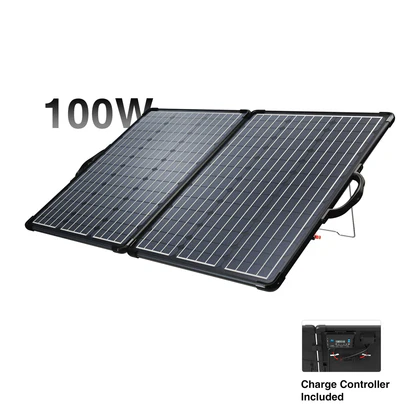
Learn how to choose the best solar panels for house in 2026. Compare panel types, costs, savings, installation, and expert buying tips.
Electricity prices continue to climb each year, making homeowners increasingly interested in renewable energy solutions. One of the most effective ways to reduce long-term energy costs is by installing solar panels for house. Modern residential solar systems allow homeowners to generate clean electricity, lower monthly utility bills, and reduce dependence on traditional power companies.
Today’s solar technology is more efficient, affordable, and reliable than ever before. Whether you own a newly built home or an older property, investing in solar power panels for home can provide decades of financial savings while increasing your home’s value.
However, choosing the right solar system isn’t simply about purchasing the most expensive panels. The ideal solution depends on your energy consumption, roof design, climate, budget, and future electricity needs.
This comprehensive guide explains everything homeowners need to know before investing in solar panels for house. You’ll learn how solar systems work, compare different panel types, understand installation requirements, estimate potential savings, and discover how to maximize your investment.
By the end of this guide, you’ll have the confidence to choose a solar system that delivers long-term value and reliable clean energy.
Table of Contents
- Why Homeowners Are Switching to Solar
- What Are Solar Panels for House?
- How Residential Solar Systems Work
- Benefits of Installing Solar Panels
- Types of Solar Panels
- How to Choose the Right Solar System
- Understanding Installation Costs
- Solar Battery Storage
- Common Buying Mistakes
- Frequently Asked Questions
- Final Thoughts
Why More Homeowners Are Choosing Solar Panels for House
Residential solar energy has become one of the fastest-growing home improvements worldwide. Rising electricity costs, improved technology, and increasing environmental awareness have encouraged millions of homeowners to invest in solar.
Unlike traditional electricity, solar power enables homeowners to produce their own energy using sunlight. This reduces monthly electricity expenses while providing greater energy security.
Some of the main reasons homeowners are making the switch include:
- Lower monthly electricity bills
- Protection against rising energy costs
- Reduced carbon emissions
- Increased property value
- Long-lasting technology
- Minimal maintenance
- Greater energy independence
As solar equipment becomes more affordable, the return on investment continues to improve, making it an attractive option for households of all sizes.
What Are Solar Panels for House?
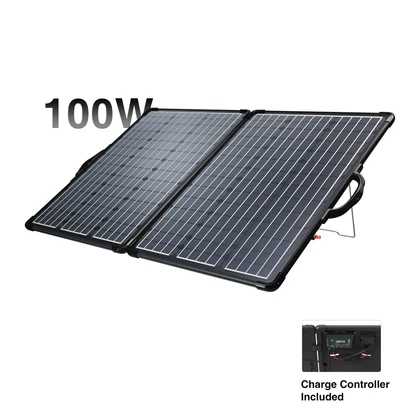
Solar panels for house are photovoltaic (PV) systems that convert sunlight into usable electricity for residential properties.
Each solar panel contains photovoltaic cells made primarily from silicon. When sunlight strikes these cells, it generates direct current (DC) electricity. An inverter then converts this electricity into alternating current (AC), which powers household appliances and lighting.
A complete residential solar system typically includes:
- Solar panels
- Roof mounting hardware
- Solar inverter
- Electrical wiring
- Safety disconnects
- Monitoring system
- Optional battery storage
Together, these components create a reliable energy system capable of supplying electricity for decades.
How Do Solar Power Panels for Home Work?
Many homeowners assume solar technology is complicated, but the basic process is straightforward.
Step 1: Solar Panels Capture Sunlight
Photovoltaic cells absorb sunlight during daylight hours.
Step 2: Electricity Is Produced
The captured solar energy creates direct current (DC) electricity.
Step 3: The Inverter Converts Power
Since homes use alternating current (AC), the inverter converts DC electricity into AC electricity.
Step 4: Your Home Uses Solar Energy
The electricity immediately powers:
- Lights
- Refrigerators
- Air conditioners
- Televisions
- Computers
- Kitchen appliances
- Washing machines
Step 5: Excess Energy
When your system generates more electricity than your home requires, the extra energy can:
- Charge a home battery
- Be exported to the electrical grid (where permitted)
- Earn credits through net metering programs in eligible regions
This efficient process allows homeowners to maximize the value of every hour of sunlight.
Benefits of Installing Solar Panels for House
Installing solar panels for house provides both financial and environmental benefits that continue for decades.
Lower Electricity Bills
Perhaps the greatest advantage is reducing monthly energy costs.
Instead of purchasing all your electricity from a utility provider, your solar system generates much of the power your home consumes.
For households with high electricity usage, these savings can add up significantly over the lifetime of the system.
Increased Home Value
Homes equipped with residential solar systems are often more attractive to buyers.
Prospective homeowners appreciate lower electricity costs, improved energy efficiency, and the convenience of an existing solar installation.
In many markets, homes with solar systems sell faster and at higher prices than similar homes without solar.
Energy Independence
Generating electricity at home gives homeowners greater control over their energy consumption.
Adding battery storage can further reduce reliance on the utility grid by storing excess electricity for nighttime use or power outages.
Environmental Sustainability
Every kilowatt-hour generated by solar energy reduces dependence on fossil fuels.
Using solar power panels for home helps decrease greenhouse gas emissions, improve air quality, and support a cleaner environment for future generations.
Low Maintenance Requirements
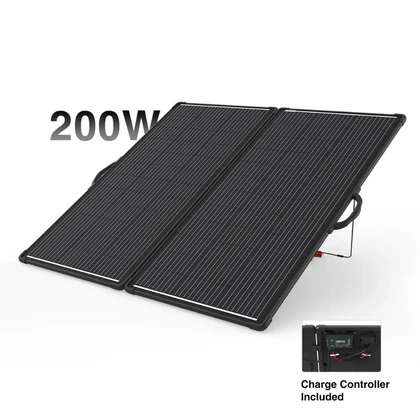
Unlike many home systems, solar panels have no moving parts.
Routine maintenance generally involves:
- Occasional cleaning
- Visual inspections
- Monitoring energy production
- Professional inspections every few years
This simplicity contributes to lower long-term maintenance costs.
Different Types of Solar Panels for House
Choosing the right panel technology is essential for maximizing energy production and return on investment.
Monocrystalline Solar Panels
Monocrystalline panels are considered the premium choice for residential properties.
Advantages
- Highest efficiency
- Sleek black appearance
- Long lifespan
- Excellent performance in limited roof space
- Better performance in hot weather
Best For
Homeowners seeking maximum efficiency and long-term performance.
Polycrystalline Solar Panels
Polycrystalline panels offer reliable performance at a lower upfront cost.
Advantages
- More affordable
- Reliable energy production
- Good durability
- Suitable for larger roofs
Best For
Budget-conscious homeowners with sufficient roof space.
Thin-Film Solar Panels
Thin-film panels are lighter and more flexible than traditional silicon panels.
Advantages
- Lightweight
- Flexible installation options
- Good performance in some specialized applications
Limitations
- Lower efficiency
- Larger installation area required
- Less common for residential rooftops
Best For
Specialized residential projects where conventional panels may not be practical.
How to Determine the Right Solar System Size
Not every household requires the same solar system.
Several factors determine the appropriate system size:
Household Electricity Usage
Review your utility bills to determine your average monthly electricity consumption.
Higher usage generally requires a larger solar system.
Roof Size
The available roof area determines how many panels can be installed.
Larger roofs provide more flexibility for future expansion.
Sunlight Availability
Homes located in sunny regions typically require fewer panels to produce the same amount of electricity as homes in cloudier climates.
Future Energy Needs
Think beyond your current electricity usage.
You may eventually purchase:
- An electric vehicle
- A heat pump
- Additional air conditioning
- A home extension
- A swimming pool
Planning for future demand can save money on later system upgrades.
Signs Your House Is Ready for Solar
Your property is likely a strong candidate for solar if it has:
- A roof in good condition
- Minimal shading from trees or nearby buildings
- Adequate roof space
- Consistent sunlight throughout the day
- Moderate to high electricity bills
- Plans to remain in the home for several years
Even homes that don’t meet every criterion may still benefit from solar after a professional site assessment.
Costs, Installation, Battery Storage, and Maintenance
How Much Do Solar Panels for House Cost in 2026?
One of the first questions homeowners ask before investing in solar panels for house is, “How much will it cost?” While there’s no universal price because every home is different, understanding the factors that influence costs will help you plan your investment wisely.
The total cost of a residential solar system depends on the size of your home, your electricity consumption, the type of solar panels you choose, your roof’s condition, labor costs, and whether you include battery storage.
Although the upfront investment can seem significant, it’s important to think of solar as a long-term financial asset rather than just another home expense. Over the lifespan of a solar system—often 25 to 30 years—many homeowners save far more on electricity bills than they originally spent on installation.
Typical Residential Solar System Sizes
Choosing the right system size is one of the most important decisions you’ll make. Below is a general guide:
| Home Size | Recommended Solar System | Suitable For |
|---|---|---|
| Small Home | 3–5 kW | 1–2 Bedroom Homes |
| Medium Home | 5–8 kW | Average Family Homes |
| Large Home | 8–12 kW | Large Homes with High Electricity Usage |
A professional installer will calculate the ideal size based on your annual electricity consumption rather than just the size of your house.
Factors That Affect the Cost of Solar Panels for House
Understanding the elements that influence pricing can help you make informed decisions and avoid unnecessary expenses.
1. System Size
The number of panels you need has the greatest impact on the overall cost.
Homes with higher electricity usage require larger systems, which naturally involve more panels, larger inverters, and additional installation materials.
However, larger systems often provide better long-term value because they generate more electricity and reduce utility bills more significantly.
2. Type of Solar Panels
Not all solar panels are priced equally.
Monocrystalline Panels
These premium panels offer:
- Higher efficiency
- Better appearance
- Longer lifespan
- Excellent performance in limited roof space
They generally cost more but produce more electricity per square meter.
Polycrystalline Panels
These panels are:
- More affordable
- Reliable
- Suitable for larger rooftops
Although slightly less efficient, they remain an excellent option for many homeowners.
3. Roof Design
Simple roofs with large, unobstructed surfaces are easier and less expensive to install on.
Costs may increase if your roof has:
- Multiple levels
- Steep slopes
- Skylights
- Chimneys
- Complex angles
Professional installers factor roof complexity into their quotations.
4. Quality of Equipment
Higher-quality equipment generally provides:
- Better efficiency
- Longer warranties
- Greater durability
- Improved energy production
While premium components may increase upfront costs, they often reduce maintenance expenses and deliver greater lifetime savings.
5. Battery Storage
Adding a solar battery increases installation costs but also offers several valuable benefits.
A battery allows homeowners to:
- Store excess electricity generated during the day
- Use stored power after sunset
- Maintain electricity during outages
- Increase self-consumption of solar energy
Battery prices continue to decrease as technology advances, making them more accessible for residential applications.
6. Labor and Installation
Experienced installers may charge more than less experienced contractors.
However, professional installation helps ensure:
- Proper system design
- Safe electrical connections
- Compliance with local regulations
- Maximum long-term performance
Choosing a reputable installer often results in fewer problems and better customer support.
How to Choose the Best Solar Installer
Selecting the right installer is just as important as choosing the right solar panels.
A qualified installer ensures your system performs efficiently for decades.
Check Certifications
Choose companies that are properly licensed and certified according to your country’s regulations.
Qualified professionals understand electrical codes, building requirements, and safety standards.
Read Customer Reviews
Online reviews provide valuable insight into:
- Installation quality
- Customer service
- Project timelines
- Warranty support
- Overall customer satisfaction
Look for installers with consistently positive feedback.
Compare Multiple Quotes
Never accept the first quotation without comparison.
Request detailed proposals from several installers and compare:
- Equipment brands
- System size
- Estimated energy production
- Warranty coverage
- Installation timeline
- Total project cost
The lowest price is not always the best value.
Ask About Warranties
A quality installer should provide warranties covering both equipment and workmanship.
Typical warranties include:
- Solar panels: 25–30 years
- Inverters: 10–25 years
- Installation workmanship: 5–10 years
Strong warranty coverage offers peace of mind and protects your investment.
Should You Install a Solar Battery?
Battery storage has become increasingly popular as homeowners seek greater energy independence.
While batteries are optional, they provide several important advantages.
Benefits of Battery Storage
Backup Power During Outages
One of the biggest advantages is uninterrupted electricity during grid failures.
Essential appliances such as refrigerators, lighting, internet routers, and medical equipment can continue operating.
Use More of Your Own Electricity
Without batteries, excess daytime electricity may be exported to the utility grid.
A battery stores this energy for use during the evening, reducing reliance on purchased electricity.
Greater Energy Independence
Battery storage helps homeowners rely less on utility companies and provides greater control over household energy usage.
Future-Proof Your Home
As electricity prices continue rising, battery systems become increasingly valuable by maximizing the use of your own renewable energy.
Maintaining Household Solar Panels
One reason household solar panels have become so popular is their minimal maintenance requirements.
With proper care, modern systems can continue producing electricity efficiently for decades.
Keep Panels Clean
Dust, leaves, bird droppings, and debris can reduce energy production over time.
Cleaning requirements depend on your local climate.
In many areas, rainfall naturally washes away most dirt.
If manual cleaning is needed:
- Use clean water
- Use a soft brush or sponge
- Avoid abrasive cleaning products
- Never walk directly on the panels
For difficult-to-access roofs, consider hiring professional cleaning services.
Monitor System Performance
Most modern systems include smartphone apps or online monitoring platforms.
These tools allow homeowners to track:
- Daily electricity generation
- Monthly production
- Annual savings
- System efficiency
- Equipment alerts
Monitoring helps identify potential issues before they become major problems.
Schedule Routine Inspections
Although solar systems require little maintenance, periodic professional inspections help ensure everything continues operating safely.
An inspection may include checking:
- Electrical connections
- Mounting hardware
- Roof integrity
- Inverter performance
- Wiring condition
- Overall system efficiency
Regular inspections can extend the life of your system and maintain peak performance.
Common Mistakes to Avoid When Buying Solar Panels for House
Avoiding these common mistakes can save you money and ensure you get the best return on your investment.
Choosing the Cheapest System
Low-priced systems may use lower-quality panels, inverters, or installation materials.
Instead of focusing only on price, consider:
- Efficiency
- Warranty
- Manufacturer reputation
- Installer experience
- Long-term performance
A slightly higher upfront investment often delivers greater lifetime savings.
Ignoring Future Energy Needs
Many homeowners size their system based only on current electricity usage.
However, future additions such as electric vehicles, home offices, or new appliances can significantly increase energy demand.
Planning ahead helps avoid expensive upgrades later.
Overlooking Roof Condition
Installing solar panels on an aging roof can create unnecessary costs if roof replacement becomes necessary shortly afterward.
Ensure your roof is in good condition before installation.
Not Understanding Warranty Coverage
Always read warranty terms carefully.
Understand what is covered, how long coverage lasts, and who is responsible for repairs if problems occur.
Failing to Compare Installers
The installer you choose has a major impact on your system’s performance.
Comparing several qualified companies increases your chances of receiving better equipment, better pricing, and superior service.
How to Compare Solar Quotes
When reviewing proposals from different installers, avoid comparing price alone.
Instead, evaluate each quote based on the following:
- Total system size (kW)
- Estimated annual electricity production
- Solar panel brand and efficiency
- Inverter type and warranty
- Battery storage options
- Installation timeline
- Monitoring system features
- Warranty coverage
- Financing options
- Customer support after installation
Choosing a well-balanced proposal ensures better long-term value than simply selecting the lowest-cost option.
Is Financing Solar Panels a Good Idea?
Many homeowners choose financing options instead of paying the full installation cost upfront.
Common financing methods include:
- Solar loans
- Home improvement loans
- Leasing arrangements
- Power purchase agreements (PPAs), where available
Financing can make solar panels for house more accessible by spreading the cost over time. Before choosing an option, compare interest rates, repayment terms, ownership benefits, and any long-term obligations.
Savings, Environmental Benefits, FAQs, and Final Thoughts
How Much Can You Save with Solar Panels for House?
One of the most compelling reasons to install solar panels for house is the potential to save thousands of dollars on electricity bills over the life of the system. While exact savings vary depending on your location, energy usage, and utility rates, solar power offers long-term financial benefits that continue for decades.
Unlike traditional utility bills, which typically increase over time, a solar system allows you to generate your own electricity from sunlight. Once the installation costs have been recovered, the electricity your system produces is essentially free, aside from minimal maintenance expenses.
Many homeowners experience significant reductions in their monthly electricity bills, especially when their systems are properly sized to match household energy consumption. In areas with abundant sunshine and high electricity rates, the return on investment can be even more attractive.
Factors That Influence Your Savings
Several factors determine how much money you can save after installing solar panels for house:
Household Energy Consumption
Homes that consume more electricity generally benefit from greater savings because they offset a larger portion of their utility bills.
Sunlight Availability
The amount of sunlight your roof receives directly affects how much electricity your system can generate. Homes in sunny climates typically achieve higher annual energy production.
System Efficiency
High-efficiency solar panels convert more sunlight into electricity, helping maximize energy production even on smaller roofs.
Electricity Prices
The higher your local electricity rates, the more valuable every kilowatt-hour of solar energy becomes.
Battery Storage
A battery system allows you to store excess electricity generated during the day and use it at night, reducing your dependence on utility companies.
Government Incentives
Tax credits, rebates, grants, and other incentive programs can significantly reduce the initial investment, improving your overall return on investment.
Long-Term Financial Benefits
Installing solar power panels for home should be viewed as a long-term investment rather than a short-term purchase.
Some of the long-term financial benefits include:
- Lower monthly electricity bills
- Protection against rising utility prices
- Increased home resale value
- Reduced lifetime energy expenses
- Lower dependence on the electrical grid
- Potential eligibility for government incentives
Over a lifespan of 25 to 30 years, many homeowners save far more than the original cost of their solar system.
The Environmental Benefits of Household Solar Panels
In addition to financial savings, household solar panels make a meaningful contribution to environmental sustainability.
As concerns about climate change and air pollution continue to grow, renewable energy has become one of the most effective ways for homeowners to reduce their environmental impact.
Lower Carbon Emissions
Traditional electricity generation often relies on fossil fuels such as coal, oil, and natural gas. Burning these fuels releases greenhouse gases that contribute to global warming.
By generating clean electricity from sunlight, solar panels for house help reduce carbon emissions and support a cleaner environment.
Cleaner Air
Solar energy produces electricity without releasing harmful pollutants into the atmosphere.
Reduced dependence on fossil-fuel power plants contributes to improved air quality, benefiting both public health and the environment.
Conserving Natural Resources
Unlike fossil fuels, sunlight is renewable and abundant.
Using solar energy helps conserve limited natural resources while reducing demand for non-renewable energy sources.
Supporting a Sustainable Future
Every homeowner who adopts solar energy contributes to a cleaner and more sustainable energy future.
As more homes install residential solar systems, communities collectively reduce their environmental footprint while promoting renewable energy adoption.
Future Trends in Residential Solar
Solar technology continues to evolve rapidly.
Several emerging innovations are making solar panels for house even more efficient, intelligent, and accessible.
Higher-Efficiency Solar Panels
Manufacturers continue to develop panels capable of producing more electricity from the same roof space.
Future improvements will help homeowners maximize energy generation without requiring additional panels.
Smart Energy Monitoring
Modern monitoring platforms allow homeowners to track energy production, electricity usage, and savings through smartphone applications.
These systems provide valuable insights that help optimize energy consumption.
Advanced Battery Technology
Battery storage continues to improve through:
- Greater storage capacity
- Faster charging
- Longer lifespan
- Lower costs
As battery prices decrease, more homeowners are expected to include storage systems with their solar installations.
Electric Vehicle Integration
The growing popularity of electric vehicles has increased interest in home solar charging.
Many homeowners now install systems designed to generate enough electricity for both household use and vehicle charging.
This combination reduces transportation and electricity costs while supporting cleaner mobility.
Smart Home Integration
Residential solar systems increasingly integrate with:
- Smart thermostats
- Home automation systems
- Smart appliances
- Energy management software
These technologies work together to improve efficiency and reduce overall household energy consumption.
Frequently Asked Questions About Solar Panels for House
Are solar panels for house worth the investment?
Yes. For many homeowners, solar panels provide substantial long-term savings, increase property value, reduce environmental impact, and protect against rising electricity costs.
How long do residential solar panels last?
Most premium solar panels are designed to last between 25 and 30 years. Many continue producing electricity beyond their warranty period, although efficiency gradually declines over time.
Do solar panels work during cloudy weather?
Yes. Solar panels continue generating electricity on cloudy days, although production is lower than on bright, sunny days. They rely on daylight rather than direct sunlight alone.
Can solar panels power an entire house?
Yes. A properly designed system can generate enough electricity to meet most or all of a household’s energy needs. Battery storage can further improve energy independence by providing electricity during the evening or power outages.
How many solar panels does my house need?
The required number of panels depends on:
- Household electricity usage
- Roof size
- Panel efficiency
- Local climate
- Available sunlight
A professional solar assessment can determine the ideal system size for your property.
What maintenance is required?
Residential solar systems require minimal maintenance.
Homeowners should:
- Keep panels reasonably clean
- Monitor energy production
- Schedule occasional professional inspections
- Remove debris that may block sunlight
With proper care, solar systems continue operating efficiently for decades.
Will solar panels increase my home’s value?
In many real estate markets, homes equipped with solar systems are more attractive to buyers because they offer lower operating costs and improved energy efficiency.
While local market conditions vary, residential solar installations often contribute positively to property value.
Is battery storage necessary?
No. Battery storage is optional.
However, batteries provide additional benefits, including backup power during outages, increased self-consumption of solar energy, and greater energy independence.
Conclusion
Choosing solar panels for house is one of the smartest investments homeowners can make in 2026. Beyond reducing electricity bills, solar energy offers long-term financial security, increased property value, and a meaningful way to reduce your environmental impact.
Modern residential solar systems are more reliable, efficient, and affordable than ever before. Whether you’re motivated by lower energy costs, energy independence, or sustainability, a well-designed solar installation can deliver benefits for decades.
Before moving forward, evaluate your household’s energy needs, compare multiple installation quotes, review available incentives, and choose high-quality equipment backed by strong warranties. Working with a reputable installer ensures your system is designed for optimal performance and long-term reliability.
As renewable energy continues to shape the future of residential living, now is an excellent time to invest in solar panels for house and enjoy cleaner energy, lower utility bills, and greater peace of mind.